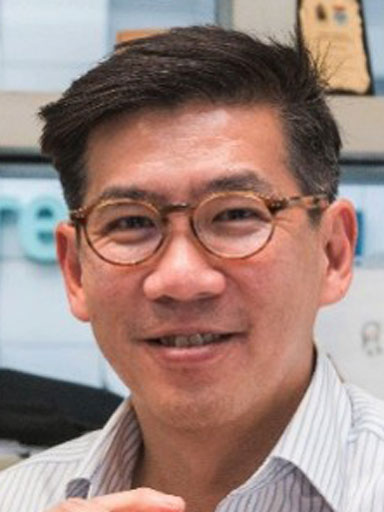
- Zayed bin Sultan Al Nahyan Professor in Medicine, NUS Yong Loo Lin School of Medicine
- Group Director Research, Research & Innovation Office, NUHS
- Vice-Dean (Research), NUS Yong Loo Lin School of Medicine
- Advisor, NUHS Clinician Scientist Academy
- Senior Consultant, NUHCS
Prof Roger Foo is a graduate of the NUS Yong Loo Lin School of Medicine (Class of 1992). After completing national service, he spent 20 years overseas, receiving specialist training at King’s College Hospital, London, and Addenbrooke’s Hospital, University of Cambridge, before returning to Singapore in 2013. In 2003, he was awarded the prestigious Wellcome Trust Fellowship for postdoctoral research at the Albert Einstein College of Medicine in New York. He later returned to Cambridge as a British Heart Foundation Fellow and Consultant Physician. His laboratory achieved international recognition in 2012 for publishing the first epigenomic map of the failing human heart. Today, the Foo Lab is at the forefront of cardiovascular research, advancing knowledge of heart disease through studies in epigenetics, gene regulation, cardiac chromatin architecture, and cardiomyocyte cell states. The team employs cutting-edge technologies, including single-cell transcriptomics, CRISPR gene editing, and induced pluripotent stem cells. Prof Foo is also committed to translating research into clinical impact. He pioneered the use of next-generation sequencing in cardiac care at the National University Hospital and has established extensive collaborations with academic and biopharmaceutical partners worldwide. He also serves as Adjunct Research Director at A*STAR’s Institute of Molecular and Cell Biology and mentors emerging clinician-scientists nationally.
Day 3 – 21 October 2026
NUS Yong Loo Lin School of Medicine – China Academic Partnership Summit
Day 4 – 22 October 2026
NUS Yong Loo Lin School of Medicine – Zhejiang University School of Medicine Joint Symposium
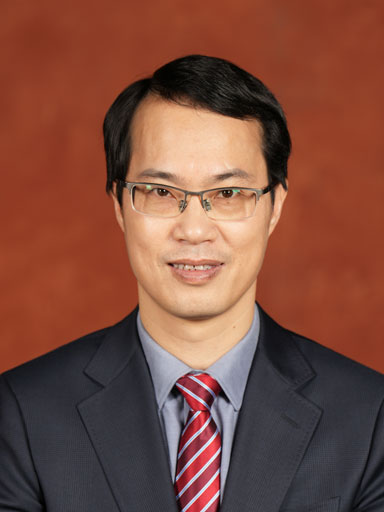
- Vice Chancellor of Shanghai Jiao Tong University School of Medicine
- Deputy Director of the Key Laboratory of Cellular Senescence and Death.
Prof. Zheng Junke has long been engaged in conducting research in hematopoietic stem cells, leukemia stem cell metabolism, and immunotherapy of Leukemia. He uncovered key roles of glucometabolic and amino acid metabolic and immunosuppressive receptor-mediated signaling in blood stem cell fate determination, providing multiple and potential metabolic and immunological targets for leukemia therapy. He has published over 15 articles in prestigious magazines, such as Nature, Cell Metabolism, JCI, Blood, Sci Adv, and Leukemia, as the corresponding and co-corresponding author. By now, he has published 50 articles in total. He has applied for multiple domestic and overseas patents, as well as participated in compiling monographs. He has held the Key Program and the General Program of the National Natural Science Foundation of China, Shanghai Pujiang Program, Shanghai Oriental Scholar, Dawn Program of Shanghai Education Commission, and more national, provincial, and ministerial level research projects.
Prof. Zheng Junke has been selected as the candidate for the National Science Fund for Outstanding Youth, National Science Foundation for Distinguished Young Scholars, Shanghai Municipal Foundation for Discipline Leaders in Science. He won the second prize of the Shanghai Municipal 15th Rising-Star Award, the Shanghai Municipal Youth May Fourth Medal, the Award for Wu Mengchao Medical Science Foundation. He is a member of the Blood Committee of the Chinese Association for Physiological Sciences, member of the Youth Work Committee of the Chinese Association for Physiological Sciences, member of Cell Metabolism Committee of the Chinese Society for Cell Biology, member of the Experimental Hematology Committee of the Chinese Association of Pathophysiology, the Secretary General of Shanghai Municipal Association of Pathophysiology.
Tumor intervention ablation has been commonly regarded as a surgical alternative therapy to quickly reduce tumor burden. In recent years, an increasing number of studies have reported the immunomodulatory effects of interventional therapy. By inducing massive cell death, interventional ablation therapy promotes the release of tumor antigens and adjuvants, achieving the effect of in situ vaccine and stimulating endogenous antitumor immunity. In this talk, our novel emerged multiple physical field fusion ablation therapy, namely multimodal thermal therapy will be introduced, and its reshaping the tumor microenvironment that provides new approaches for the treatment of highly metastatic immunosuppressive tumors of wide clinical applications.
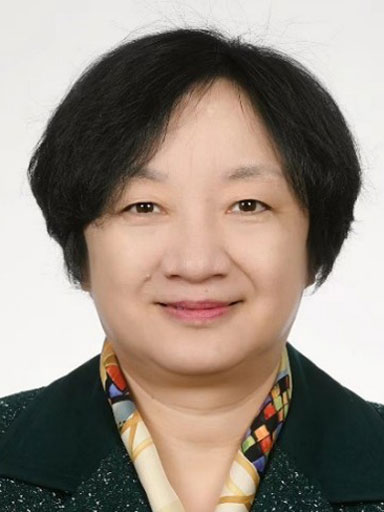
Dr. Xu received her Ph.D. degree in Mechanical Engineering (1991) from University of Illinois at Urbana-Champaign, USA. She was on the faculty of Mechanical Engineering at Purdue University before taking the “Chang Jiang Scholar” Distinguished Professorship in Biomedical Engineering at Shanghai Jiao Tong University in 2003. She received the “Outstanding Youth Award” by Chinese Natural Science Foundation (CNSF) in 2007 and was the recipient of Natural Science Award from Chinese Ministry of Education in 2010. Her research focuses on biomedical devices and innovated multimodal thermal immune cancer therapy, supported by NCI and NSF in USA, and NSF, MOST in China, respectively. She has published more than 200 peer reviewed journal papers and conference proceedings, and five book chapters, obtained Honorary Doctoral Degree from the Kungliga Tekniska Högskolan (KTH, Royal Institute of Technology), Sweden, and elected fellows of ASME, AIBME, IAMBE, CSBME, Honorary Life Member of IFMBE.
She served as Vice President for Education and International Affairs (2013-2024) at Shanghai Jiao Tong University (SJTU). Currently, she is a Chair Professor in Biomedical Engineering, also serving an Associate Director of the University Council of SJTU, Dean of Zhiyuan College (undergraduate Honors’ Program), and Director of National Engineering and Research Center of Advanced Magnetic Resonance Technologies for Diagnosis and Therapy (NERC-AMRT).

Extending lifespan alone is no longer the primary goal of longevity research; increasing healthspan—the years lived free from chronic disease and functional decline—has emerged as the central objective. Achieving this requires the integration of interventions with robust biomarkers capable of measuring biological aging and predicting clinical outcomes.
This presentation examines the evolving ecosystem of longevity interventions, including lifestyle modification, drugs, and supplements, alongside advances in biomarker development. We discuss how AI-driven drug discovery and screening platforms are accelerating the identification of geroprotective compounds, while mechanism studies continue to elucidate pathways involved in aging and age-related disease. Human cohort studies provide critical validation of candidate interventions and biomarkers across diverse populations.
The convergence of interventions, biological age assessment, and artificial intelligence is creating a framework for precision longevity medicine, enabling more effective strategies to optimize healthspan and potentially reshape the future of aging research.
Dr. Brian Kennedy is a Distinguished Professor in the Departments of Biochemistry and Physiology and also serves as the Programme Chair of the Healthy Longevity Translational Research Programme and Director of the Bia-Echo Asia Centre for Reproductive Longevity and Equality, Yong Loo Lin School of Medicine, National University Singapore. In addition, he is also the Director of the Centre for Healthy Longevity, National University Health System. Collectively, his work supports NUS’s broader mission to show that longevity interventions can be applied in humans to extend healthspan, the period of life spent free of disease and with high physical and cognitive function.
An internationally recognised leader in ageing research, Professor Kennedy focuses on understanding the biological mechanisms that drive ageing and on identifying interventions that improve healthspan and lifespan. His research played a key role in revealing how Sirtuins and the mTOR pathway regulate ageing, and more recently has expanded into the development of ageing biomarkers.
Professor Kennedy was President and CEO of the Buck Institute for Research on Aging from 2010 to 2016 and remained a professor there through 2020. He previously served on the faculty at the University of Washington and also holds an adjunct appointment at USC. He earned his PhD at MIT, where he published the first paper linking Sirtuins to ageing.
Neuroinflammation is increasingly recognized as a key driver of synaptic dysfunction and cognitive decline in Alzheimer’s disease (AD). The chemokine receptor CCR5 is a critical mediator of neuroimmune signalling, yet its role in regulating hippocampal synaptic plasticity and memory remains incompletely understood. Here, we investigated whether CCR5 contributes to synaptic and behavioural deficits in experimental models of AD. Using extracellular electrophysiological recordings in acute hippocampal slices from wild-type, APP/PS1, and Aβ(1–42) oligomer-treated mice, we examined late-phase long-term potentiation (late-LTP) and synaptic tagging and capture (STC), two fundamental mechanisms underlying long-term memory formation. Associative memory was assessed using a behavioural tagging paradigm in wild-type and APP/PS1 mice following treatment with the CCR5 antagonist maraviroc. Hippocampal tissue was subsequently analysed by Western blotting to investigate the underlying molecular mechanisms. CCR5 expression was significantly increased in both Aβ-treated and APP/PS1 hippocampi. These AD models exhibited pronounced impairments in late-LTP, STC, and associative memory, all of which were restored following pharmacological inhibition of CCR5. Mechanistically, CCR5 inhibition was associated with normalization of actin cytoskeletal signalling through the RhoA–ROCK2–LIMK1–cofilin pathway and recovery of ERK-BDNF signalling. Together, these findings identify CCR5 as a key neuroimmune regulator linking inflammation to synaptic and memory dysfunction in AD and highlight CCR5 inhibition as a promising therapeutic strategy for restoring cognitive function.
Dr. Sajikumar Sreedharan is an Associate Professor in the Department of Physiology at the Yong Loo Lin School of Medicine, National University of Singapore, where he leads the Synaptic Plasticity Laboratory. He obtained his M.Sc. in Physiology from the University of Calicut, India, before working briefly at the Defence Research and Development Organisation (DRDO), New Delhi. He then moved to Germany to pursue doctoral studies under Prof. Uwe Frey at Otto-von-Guericke University Magdeburg, investigating the cellular and molecular mechanisms of long-term memory using hippocampal synaptic plasticity. He subsequently completed postdoctoral training with Prof. Martin Korte at the Helmholtz Centre for Infection Research, where he explored metaplasticity and dendritic mechanisms underlying persistent synaptic plasticity using multi-electrode recording approaches.
Since establishing his laboratory at the National University of Singapore in 2012, his research has focused on understanding how memories are encoded, stabilized, and modified in the brain, and how ageing, sleep loss, neurodegenerative diseases, and metabolic disorders disrupt these processes. His work has significantly advanced the understanding of synaptic tagging and capture, associative plasticity, and hippocampal function, leading to publications in leading journals and international recognition in the field of learning and memory.
Outside the laboratory, he enjoys cooking, creating fusion cuisine, and recreational fishing.

Brain circuits that sense energy availability do far more than regulate appetite. This talk will explore how metabolic sensing brain circuits coordinate whole-body physiology, integrating nutritional state with metabolism, immune function and behavioural responses to illness. I will discuss how these circuits regulate energy mobilisation, immune-cell dynamics and readiness, while also shaping anorexia, nausea and the response to obesity therapeutics.
Giuseppe (Peppe) D’Agostino is Professor and Group Leader in the Division of Integrative Physiology at the University of Manchester. He is also a member of the Lydia Becker Institute of Immunology and Inflammation and the Geoffrey Jefferson Brain Research Centre.
A pharmacologist by training, Peppe earned his PhD in Neuropharmacology from the University of Naples, Italy, before undertaking further research training at Yale University, the University of Cambridge and the University of Aberdeen. In 2017, he was awarded a Medical Research Council fellowship to establish his independent research group, which relocated to Manchester in 2019.
Peppe’s laboratory investigates brain–body physiology, with a particular focus on the metabolic and immune adaptations that accompany sickness, their physiological significance and their potential therapeutic exploitation. His group also studies the neural circuits underlying nausea and anorexia, and how obesity medications engage these pathways. To address these questions, the laboratory combines genetic approaches, systems neuroscience and integrative physiology.
Associate Professor Jan Gruber is with the Department of Biochemistry at the National University of Singapore and has played a key role in advancing ageing research at NUS. Before joining the faculty, he served as a Postdoctoral Research Fellow and later Senior Research Fellow at the Centre for Life Sciences, where he established the Caenorhabditis elegans ageing laboratory to investigate the biology of ageing in a powerful model organism.
His research focuses on the mechanisms of biological ageing, oxidative damage, antioxidants, and interventions that promote healthy lifespan. He is particularly known for leading a 2018 Developmental Cell study showing that specific drug combinations could slow ageing and markedly extend lifespan in C. elegans, highlighting the potential of combinatorial drug approaches to improve healthspan.
Associate Professor Gruber’s academic training spans physics, biochemistry, and molecular biophysics. He studied at RWTH Aachen University, completed Part III of the Mathematical Tripos at the University of Cambridge, and earned both his MSc and PhD in Molecular Biophysics and Biochemistry at the University of Oxford. During his doctoral work, he also contributed to the development of CCP4mg, a widely used molecular graphics software package.
In addition to research, he is a dedicated educator who has taught and mentored students at NUS since 2007.
Human reproduction is influenced by environmental, biological, and social factors operating across the life course. Increasing evidence suggests that reproductive health is shaped not only during pregnancy but also by exposures occurring before conception and in early life, with consequences extending into adulthood and across generations. This presentation will introduce a lifespan framework for reproductive epidemiology, drawing on findings from cohort studies in the United States and China. We will highlight the impacts of environmental exposures, including air pollution, disinfection by-products, PFAS, metals, and other emerging contaminants, on fertility, semen quality, pregnancy outcomes, child development, and long-term health. Particular attention will be given to critical windows of susceptibility, including preconception, pregnancy, and early childhood. The presentation will also discuss emerging approaches, such as exposomics, metabolomics, and advanced causal inference methods, to identify mechanisms and intervention targets. A lifespan perspective offers new opportunities to improve reproductive, maternal, and child health and inform prevention strategies across generations.
Dr. Yixin Wang is Professor, Doctoral Supervisor, Deputy Dean, and Director of the Department of Environment and Health at the School of Public Health, Shanghai Jiao Tong University. He received his PhD from Tongji Medical College, Huazhong University of Science and Technology in 2017. From 2018 to 2023, he worked as a Postdoctoral Fellow and Lead Scientist at the Harvard T.H. Chan School of Public Health. His research focuses on environmental and life-course reproductive epidemiology. He has published nearly 200 papers in leading journals, including BMJ, JAMA Internal Medicine, European Heart Journal, European Respiratory Journal, Journal of the American College of Cardiology, Environmental Health Perspectives, and Environmental Science & Technology. His research has received the First Prize and Third Prize of the Hubei Provincial Science and Technology Progress Award. He also serves on the young editorial boards of The Innovation and Sustainable Horizons and contributes to national academic books and postgraduate textbooks.
Regeneration & Longevity Medicine
Basic Scientific Research and Clinical Translational Medicine
Plastic and Reconstructive Surgery
Cellular senescence is an important driver of organismal aging, yet clinically applicable senotherapeutics remains critically limited. Here, we establish hyperbaric oxygen (HBO), an FDA-approved modality with proven clinical safety profiles, as a promising senolytic intervention. We show that repetitive HBO specifically triggers apoptotic death in senescent cells by exploiting their inherent redox vulnerabilities, while sparing proliferative cells with intact antioxidant defenses. In preclinical models of chemotherapy-resistant tumors and radiation-induced premature aging, HBO mitigated tissue senescence burden and associated pathological manifestations. In naturally aged mice, HBO also reduced systemic senescence burden and reversed age-related transcriptomic signatures, concomitant with improved physiological function. Clinically, a 12-week randomized controlled trial in elderly subjects demonstrated that HBO reduced circulating senescence-associated secretory phenotype (SASP) factors, paralleled by clinically prominent skin rejuvenation. By integrating mechanistic insights with cross-species validation, we propose HBO as a readily deployable strategy to mitigate aging and age-associated pathologies.
Focusing on the classic core scientific question of “Stem cell fate regulation and pathogenesis”, Professor Liu has long been dedicated to fundamental and translational research in regenerative, aging and Longevity medicine. He has led and presided over 4 projects funded by the National Natural Science Foundation of China, 2 provincial and ministerial-level projects, and 3 high-quality clinical studies. His research findings have been published as first or corresponding author in leading international journals such as Nature Aging (3 papers), Advanced Science, Cell Discovery, and Nature Communications, et al.
As a physician-scientist, my life’s work is driven by a single ambition: to understand and ultimately cure devastating neurological diseases. My laboratory focuses on age-related disorders of the nervous system, principally ALS (motor neuron disease) and the dementias. ALS is a relentless condition in which patients progressively lose the ability to move, eat, speak, and breathe. Like most age-related neurodegenerative diseases, it remains largely untreatable, because the underlying mechanisms are still poorly understood.
To address this critical gap, my lab harnesses human stem cells derived directly from patients. With over 15 years of experience in this technology, we can now reprogram patient stem cells into human neurons and glia in a dish, thereby enabling us to interrogate the molecular sequence of disease-relevant events within defined cell types, in a genuinely human system.
This talk presents what our laboratory has contributed to the field. Our overarching goal is to identify precisely what goes wrong, when it begins, and in which cell type. I will discuss two phenomena central to motor neuron degeneration in ALS: deregulated RNA metabolism, and the reactive transformation of astrocytes. A particular focus will be a form of alternative splicing known as intron retention (how it is dysregulated in ALS, and how it may drive pathogenesis across multiple cell types). I will also summarise our contributions to other archetypal age-related neurodegenerative disorders.
Ultimately, by defining the precise mechanisms that underlie these diseases, we hope to identify therapeutic targets that can be exploited for real patient benefit.
Prof Patani is a distinguished physician-scientist with over a decade of research experience in neurodegeneration, particularly in human induced pluripotent stem cell (iPSC) models. His work has significantly advanced understanding of RNA metabolism and cellular autonomy in the context of neurodegenerative diseases.
Prof Patani currently serves as Director of the Neurobiology Programme at NUS LSI and Chair of the Neuroscience Translational Research Programme.
He has received multiple prestigious awards for his research, including the International 3Rs Prize, Paulo Gontijo Prize in Medicine, Graham Bull Prize, and Goulstonian Lectureship from the Royal College of Physicians. He is also a recipient of the Lister Research Prize. He is a Fellow of the Academy of Medical Sciences.
Genome-wide association studies have identified more than a million risk variants for complex diseases, yet fewer than 5% of cardiovascular loci have validated target genes. Closing this gap requires resolving genetic regulation at the right cell types, ancestries, and cellular contexts. In this talk, I will present three complementary efforts from my lab. First, AIDA — a single-cell atlas of ~1 million PBMCs from ~500 donors of diverse Asian descent profiled with 5′ chemistry — captures 4.3-fold more splice junctions than prior 3′ libraries and reveals ancestry-biased splicing events, including an Asian-specific TCHP variant that modulates Graves’ disease risk. Second, we developed ISSAC to map cell-state-dependent sQTLs across millions of cells and uncovers Alzheimer’s-biased sQTLs in dorsolateral prefrontal cortex snRNA-seq. Third, we developed DIRAC to use adversarial domain-invariant representations to harmonize spatial multi-omic datasets, enabling a high-resolution T cell development atlas in the mouse thymus. Together, these methods chart a path from population-scale genetics to cell-state- and tissue-resolved mechanisms underlying complex diseases.
Dr. Liu Boxiang is a Presidential Young Professor appointed jointly at the Department of Biomedical Informatics and the Department of Pharmacy and Pharmaceutical Sciences within the Yong Loo Lin School of Medicine, National University of Singapore (NUS). Concurrently, he serves as a Principal Research Scientist at the Genome Institute of Singapore, A*STAR. He obtained a Bachelor of Arts in Biophysics from Illinois Wesleyan University, followed by a Master of Science in Statistics and a Doctor of Philosophy in Bioinformatics from Stanford University. Prior to joining NUS, Dr. Liu functioned as a Research Leader at Baidu Research Silicon Valley.
Dr. Liu’s laboratory specializes in genomic data science, deploying multi-omics integrations and utilizing state-of-the-art machine learning architectures to elucidate the genetic etiologies of complex human pathologies. His research focuses extensively on expression quantitative trait loci (eQTL) mapping, single-cell multi-omics, and genome-wide association studies (GWAS). His investigative efforts aim to transition non-coding genetic variants into therapeutically actionable targets, demonstrating significant advancements in characterizing genetic regulatory mechanisms underlying coronary artery disease, age-related macular degeneration, and autoimmune dysregulations. Furthermore, Dr. Liu contributes to algorithmic innovations in mRNA structural optimization for therapeutic vaccine design. He is an integral contributor to large-scale international consortia, including the Genotype-Tissue Expression (GTEx) project and the Asian Immune Diversity Atlas (AIDA).
Mitochondrial metabolic reprogramming is a core hallmark of malignant tumors, which facilitate unlimited proliferation, immune escape, chemotherapy resistance and distant metastasis of tumor cells, severely restricting the clinical therapeutic effect of cancers. It is urgent to develop targeted anti-tumor strategies based on mitochondrial metabolic reprogramming.
Our team focused on the abnormal mitochondrial metabolic reprogramming in hematological cancers, head and neck tumors. Recently, by constructing a single-cell transcriptional metabolic landscape, we identified the tricarboxylic acid (TCA) cycle as the dominant source of metabolic heterogeneity in leukemic cells, enabling their stratification into three distinct states. The highly active (H-A) TCA cycle state correlates with developmental immaturity. Patients of H-A subtype have inferior survival and exhibit resistance to venetoclax. Further integrative transcriptomic and functional analyses revealed that OXPHOS activity is heterogeneously activated in T-ALL, and elevated OXPHOS activity was associated with adverse clinical features of immature T-ALL. Inhibition of mitochondrial ATP synthase using Gboxin selectively suppressed OXPHOS and induced ferroptosis in immature T-ALL cells in vitro and in vivo, with directly engaged the transcription factor ZNF384 to derepress CHAC1 expression, leading to GSH depletion and redox imbalance. Our study demonstrate the precise mitochondrial targeting regimens and combined therapy schemes, helping achieve individualized clinical tumor treatment.
Director of the Department of Clinical Laboratory, Shanghai Ninth People’s Hospital, Shanghai Jiao Tong University School of Medicine, and Doctoral Supervisor in Clinical Laboratory Diagnostics. Prof. Zou has been awarded honors including Shanghai Eastern Talents Leading Talent, New Century Excellent Talents of the Ministry of Education, and Chongqing Talents.
She holds multiple academic positions such as Member of the American Society of Hematology (ASH), Vice Chairman of the Special Committee on Precision Application of Clinical Mass Spectrometry and Reproductive Health under the Chinese Maternal and Child Health Association, and Member of the Clinical Laboratory Committee of the Chinese Hospital Association.
She has presided over 32 research projects, including 8 National Natural Science Foundation of China (NSFC) projects and 2 key R&D program projects of the Ministry of Science and Technology. As the first or corresponding author, he has published 92 SCI papers, led the formulation of 12 expert consensuses on clinical laboratory technologies, delivered 12 keynote speeches at international academic conferences, and obtained 5 national invention patents.

Dr Ng will speak on how Singapore and NUHS is bringing about genomic transformation in clinical care. She will speak on challenges and the current ways in which precision medicine is impacting on clinical care in NUHS, specifically in the field of oncology, obstetrics, nephrology, cardiology, pharmacogenomics, and others. She will also speak on the plans NUGEM has in upscaling genomic medicine in clinical practice.
Associate Professor Ng Kar Hui is a Senior Consultant in the Division of Paediatric Nephrology, Dialysis and Renal Transplantation, and the Division of Paediatric Genetics and Metabolism at Khoo Teck Puat–National University Children’s Medical Institute, National University Hospital (NUH). She is also Director of the National University Centre for Genomic Medicine (NUGEM), NUH, and Associate Professor in the Department of Paediatrics, Yong Loo Lin School of Medicine, National University of Singapore.
Her clinical and research interests lie in genetic kidney diseases and dialysis in young children. She leads the Kidney Genetics Clinic and Fetal Kidney Clinic, supporting patients and expectant couples. Following a two year fellowship at Children’s Hospital Boston, she pioneered Singapore’s research program on kidney genetics. She established DRAGoN (Deciphering Diversities: Renal Asian Genetics Network) to advance regional studies, and founded RAPIDS (Renal Alliance for PrecIsion Diagnosis in Singapore), a multi institutional network implementing genomics in kidney care. She now leads NUGEM with the mission of integrating genomic and precision medicine into routine clinical practice.
A/Prof Ng is a Subject Editor for Nephrology, has authored book chapters, and lectures internationally. As Education Ambassador for the International Society of Nephrology, she teaches across Asia. She has twice received the NUS Faculty Teaching Excellence Award and serves on NUH’s Paediatric Medicine Resident Advisory and Clinical Ethics Committees.
Malaria remains one of the “big three” infectious diseases, claiming over half a million lives annually—mostly children under five in resource-limited settings. This burden stems from a dual crisis: Plasmodium falciparum drives severe mortality through host immune subversion, while P. vivax sustains transmission via asymptomatic, silent carriers that evade conventional diagnostics—together undermining the WHO’s 2030 elimination target. We target host–pathogen interface to translate immune signatures into actionable interventions. For severe malaria, we identified a subset of falciparum RIFIN antigens that engage the LILRB1 immune checkpoint via mimicry of MHC-I, linking to reduced severe disease risk. Exploiting this vulnerability, we designed a conserved STEVOR-based multiepitope fusion antigen that elicited robust humoral and cellular immunity with >97% global HLA coverage. Concurrently, for P. vivax, we curated and validated immunodominant B-cell epitopes across endemic regions, which achieved >90% sensitivity for active infections or linked to asymptomatic carriers, enabling detection of silent reservoirs. Conserved across strains and non-cross-reactivities, these epitopes provide scalable serosurveillance for low-resource settings. By targeting immune checkpoints for vaccine design and host serological signatures for surveillance, our platform offers a precise framework that transforms host–pathogen immune data into stratified tools for both clinical protection and elimination strategies.
Dr. Kokouvi Kassegne is an Assistant Professor at Shanghai Jiao Tong University School of Medicine, leading a translational research program at the nexus of pathogen biology, host immunology, and precision medicine. As an investigator, he has established a globally recognized platform for antigen epitope discovery and biomarker development for malaria and other high-priority infectious diseases.
Dr. Kassegne drives precision medicine by integrating immunoproteomic and immunogenomic approaches, focusing on Plasmodium falciparum RIFIN/STEVOR variants to systematically map antigenic epitopes that drive clinical immunity and identify serological signatures that distinguish asymptomatic reservoirs from individuals at risk of severe malaria. His laboratory has developed patented multiepitope vaccine constructs and immunodominant peptide-based diagnostic tools, directly translating host immune profiling into stratified clinical applications.
His discoveries are featured in EBioMedicine and Emerging Microbes & Infections, supported by competitive extramural funding from provincial and national agencies. Beyond the bench, he is an academic editor and deeply committed to capacity building and global health partnerships.
At this Symposium, he will present his latest findings on host-directed precision strategies for malaria—from epitope-based vaccine design to next-generation serosurveillance tools—and seek collaborative synergies with NUS and Manchester investigators to advance precision interventions for infectious diseases in resource-limited settings.
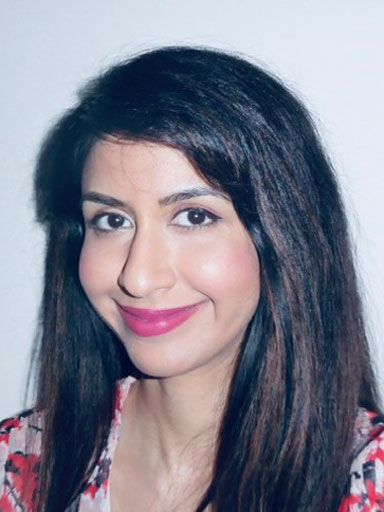
- NIHR Advanced Fellow & Senior Clinical Lecturer (Associate Professor)
- Honorary Consultant Rheumatologist
Opioids remain widely prescribed for non-cancer pain despite growing concerns regarding their long-term effectiveness, dependence, and serious adverse outcomes. Harnessing routinely collected digital health data offers unique opportunities to understand real-world utilisation, identify patients at greatest risk of harm, and support more personalised approaches to treatment. Using large-scale electronic health records internationally, from UK primary care and hospitals, this talk will demonstrate how data-driven approaches can be used to characterise prescribing patterns, predict adverse outcomes, and move towards a more personalised approach to prescribing. The presentation will showcase how machine learning and risk prediction models developed from real-world data can help move opioid prescribing beyond a one-size-fits-all approach, enabling clinicians and patients to make more informed decisions based on individual risk profiles. Ultimately, these approaches illustrate how digital health data can serve as a foundation for precision medicine, delivering safer, more effective, and more personalised pain management.
Dr Meghna Jani is a Senior Lecturer in Epidemiology and a Consultant Rheumatologist. Her research, funded through a National Institute of Health Research (NIHR) Advanced Fellowship, focuses on harnessing digital health data to improve understanding of opioid safety, utilisation, and personalised care. Using electronic health records and other real-world data sources, she leads research programmes applying epidemiological and data-driven approaches to address important questions in pain management, rheumatology, and medication safety. Prior to her NIHR Advanced Fellowship, she held a Presidential Fellowship and an NIHR Academic Clinical-Lectureship. Her MRC-funded PhD evaluated the effectiveness and safety of biologic therapies in rheumatic diseases using national registries.
Meghna has received several national and international awards, including the British Society for Rheumatology (BSR) Young Investigator Award, the Arthritis UK Research Highlight of the Year Award in 2024 and most recently the FBMH Research Fellow of the Year 2026. She has advised NICE and the MHRA on medicines evaluation and opioid safety, contributed to multiple international guideline groups, and serves as Co-Convenor of the BSR Special Interest Group for Artificial Intelligence. She was also recently appointed as the Deputy Head of Division for The Division of Musculoskeletal and Dermatological Sciences at the University of Manchester.
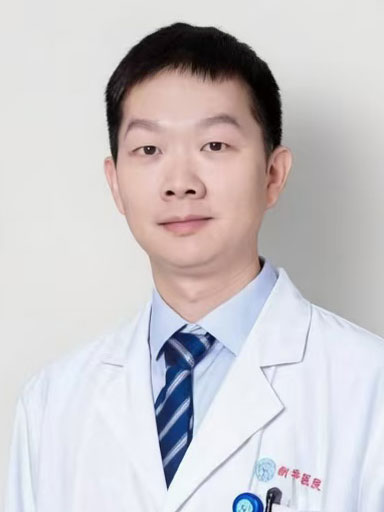
Immune checkpoint blockade (ICB) has limited efficacy in mismatch repair-proficient (pMMR) locally advanced rectal cancer (LARC). Although neoadjuvant chemoradiotherapy (nCRT) combined with ICB can improve responses, radiation-associated toxicities remain a clinical concern. Here, we present the findings of FIRM (NCT06688786), the first proof-of-concept trial evaluating a radiotherapy-free neoadjuvant immunochemotherapy (nICT) regimen in pMMR LARC. The pathological complete response (pCR) and major pathological response (MPR) rates were 43% and 68%, respectively. We identified two baseline cellular subsets—inflammation/migration tumour cells (IMT) and ITGAX⁺ activated B cells (IAB)—as robust predictive biomarkers of nICT response. Mechanistically, nICT orchestrates a coordinated dual-pathway immune remodelling involving the IMT–cDC1–CD8 and IAB–CD4 axes, converting immune-cold tumours into an immune-activated state. Integrating single-cell-derived features with bulk RNA sequencing and whole-exome sequencing data, we established an immune-response molecular subtype (IRMS) that stratifies patients into immune-activated and immune-resistant types. The IRMS classifier provides a high-precision, pan-cancer-compatible tool to guide patient selection and personalized immunotherapy strategies.
Chen-Ying Liu is a research professor at Xinhua Hospital, affiliated with Shanghai Jiao Tong University School of Medicine. He earned his bachelor’s degree from Wuhan University and his Ph.D. from Fudan University under the mentorship of Kun-Liang Guan. He completed his postdoctoral training in the laboratory of Wanjin Hong at the Institute of Molecular and Cell Biology (IMCB), A*STAR, Singapore. His research focuses on the dysregulation of the Hippo signaling pathway and its role in the development and progression of colorectal cancer. His current work also aims to advance the molecular understanding of drug resistance and to develop new therapies for colorectal cancer.
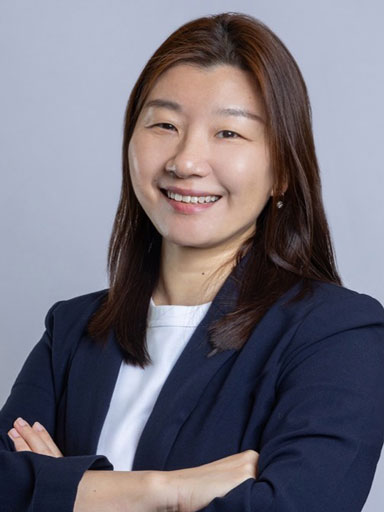
- Associate Professor and Assistant Head, Depeartment of Anatomy, NUS
- Principal Investigator and Deputy Director, Cancer Science Institute of Singapore, NUS
Cancer remains a major global health challenge, with one of the primary obstacles to effective treatment being the ability of tumors to evade immune detection and destruction. Although significant advances have been made in understanding the mechanisms underlying immune escape, strategies to effectively counteract this process are still limited. Recent research has highlighted the pivotal role of double-stranded RNA (dsRNA) molecules in modulating tumor immunity, positioning dsRNA as a novel and critical factor in cancer immune evasion. Elucidating which dsRNA species are involved, and how they are recognized and modified to facilitate immune escape, holds promise for the development of innovative therapies aimed at overcoming immunotherapy resistance and unresponsiveness. In this talk, I will present our latest findings, focusing on the complex interplay between RNA alterations and immune regulation, and their profound impact on immunosuppression in cancer.
Dr. Polly Leilei Chen earned her Bachelor of Medicine and completed medical training in China before receiving her PhD from the University of Hong Kong in 2010. In 2014, she joined the National University of Singapore as a Principal Investigator at the Cancer Science Institute of Singapore and served as Assistant Professor in the Department of Anatomy. She was promoted to Associate Professor in 2021 and is currently the Deputy Director of CSI. Her research focuses on the functional and mechanistic roles of RNA changes, particularly RNA editing, modification, and splicing, in cancer initiation and progression, and on developing novel cancer therapies that target these RNA alterations.
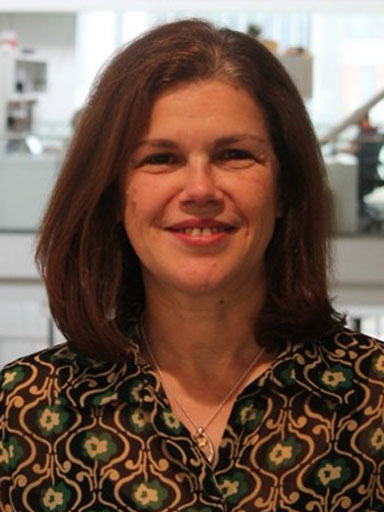
My talk will focus on our work addressing KRAS-mutant isoform-selective signalling and therapeutic vulnerabilities in non-small-cell lung cancer (NSCLC), with brief reference to our work in small-cell lung cancer.
Direct inhibitors against specific KRAS mutations, such as KRASG12C and KRASG12D, represent the beginning of major translational breakthroughs for NSCLC by targeting its most frequently mutated oncogene. However, resistance to these inhibitors has highlighted the pressing need for rational and effective combination partners. Identifying such partners requires a clearer understanding of KRAS mutant allele-specific biology.
We therefore compared the oncogenic potency and signalling differences of KRAS hotspot mutations at codons 12 and 13 to identify potential isoform-specific vulnerabilities. To do this, we used genetically engineered mouse models, in vitro models of KRASG12C-, KRASG12D-, KRASG13C- and KRASG13D-driven NSCLC initiation, established tumour cell lines and a patient database. Using transcriptomic analyses and a compound library screen, we identified therapeutic vulnerabilities specific to each mutation. Combining the targeting of these vulnerabilities with direct KRAS mutant inhibitors revealed synergistic effects that were specific to the KRAS mutant allele. Our data therefore suggest that combination approaches should be contextualised to individual KRAS mutations and tailored to their downstream signalling and distinct vulnerabilities.
Angeliki Malliri completed her bachelor’s degree in Biology at the University of Patras and obtained her PhD from the University of Crete, Greece. She worked as a postdoctoral scientist at the CRUK Beatson Institute in Glasgow and the Netherlands Cancer Institute in Amsterdam, funded by a Marie Skłodowska-Curie postdoctoral fellowship. She established her independent research group in 2004 at the CRUK Manchester Institute and moved to the Division of Cancer Sciences of the University of Manchester in March 2024. A focus of her laboratory over the years has been the mechanisms that control cell plasticity, cell migration and invasion, definitive characteristics of malignant cells essential for metastasis. Recently, her team has been studying these phenomena in the context of KRAS-mutant lung adenocarcinoma and small-cell lung cancer. They have also been addressing KRAS-mutant isoform-selective signalling and functions in lung cancer development, progression and response to therapies in close collaboration with Prof. Colin Lindsay at Christie Hospital, Manchester.
Outcomes for patients with relapsed or refractory T-cell acute lymphoblastic leukaemia (T-ALL) remain poor, and unlike B-ALL, there is currently no approved CAR-T cell therapy for this disease. CD7 has emerged as a compelling target owing to its near-universal expression on T-ALL blasts, but its co-expression on normal T cells poses a unique challenge: CAR-T cells directed against CD7 are susceptible to fratricide, whereby effector cells kill one another during manufacturing and expansion. Several strategies have been developed to circumvent this problem, including CD7 gene knockout via CRISPR-Cas9 and protein-retention intracellular domain (PEBL) technology to mask surface CD7. This talk will survey the current landscape of CD7-directed CAR-T cell studies worldwide, compare these anti-fratricide approaches, and present our experience at the National University of Singapore. Our group developed a fratricide-resistant CD7-CAR-T cell product using PEBL-mediated CD7 blockade, leveraging an in-house GMP-certified cell therapy manufacturing facility that enabled rapid translation from bench to bedside. We demonstrated the safety and clinical activity of this product in patients with refractory T-ALL, achieving complete remissions in a first-in-human study. Finally, we will discuss the road ahead for CD7-targeted immunotherapy in Singapore and plans for expanded clinical trials.
Dr Bernice Oh Ling Zhi is a Consultant in the Department of Paediatrics, Yong Loo Lin School of Medicine, National University of Singapore (NUS), and Director of the Immune Cell Engineering Laboratory. A clinical paediatric oncologist and clinician-scientist, she specialises in the development of novel CAR-T cell and antibody-based cellular therapies for haematological malignancies and solid tumours. She completed her PhD at NUS under the mentorship of Professors Allen Yeoh and Dario Campana, supported by an NMRC Research Training Fellowship.
Dr Oh has led the production of clinical-grade CAR-T cell products for multiple investigator-initiated CAR-T cell therapy trials and also runs a GMP-certified manufacturing facility pivotal in the translation of novel technologies for patient use. Her first-author publication in Nature Medicine reported the first clinical use of fratricide-resistant CD7-targeted CAR-T cells in T-cell acute lymphoblastic leukaemia. She currently holds an NMRC Transition Award to develop multi-antigen CAR-T cell therapy for acute myeloid leukaemia. Her broader work spans clinical trial design and translational immunology, bridging the gap between bench research and bedside application. She has published in Nature Medicine, Haematologica, and the Journal of Clinical Oncology.
Polymorphic microbiomes are emerging hallmarks of cancer with profound impact on tumor progression. Yet far less is known about the mycobiome as living microorganisms and their biological functions in human cancer. Here, we explored the lung mycobiome in lung adenocarcinoma (LUAD) patients and isolated the live intratumor Aspergillus sydowii strain AS12183. Using two different syngeneic murine lung carcinoma models, we validated that the AS12183 accelerates lung tumorigenesis via expansion of MDSCs and Tregs, resulting in suppression of cytotoxic T lymphocyte cells activity and accumulation of exhausted PD-1+ CD8+ T cells. Therapeutic ablation of mycobiota significantly reduced tumor growth. Mechanistically, we found that deletion of the upstream innate immunity regulator CARD9 suppresses Aspergillus-induced infiltration of MDSCs and subsequently stalls tumor progression. Using culturomics and whole-genome sequencing, we validated a potential lung cancer-specific transmission trajectory of the key mobile species – Aspergillus sydowii with tumor-promoting activity from the nasal cavity to tumor tissue at the strain level. These findings suggest that the intratumor mycobiome, albeit at low biomass, could be targeted at the strain level to improve the outcome of lung cancer patients.
Prof. Liu obtained his Ph.D. from Chinese Academy of Sciences in 2012. After graduation, he continued his research in Harvard Medical School/Boston Children’s Hospital as a post-doctoral researcher. In 2017, he joined Shanghai Jiao Tong University School of Medicine as a faculty member until now. Dr. Liu’s research has been focused on fungi and cancer, especially the mechanistic investigation of fungi-host interaction during cancer progression by integrating metagenomics and single-cell omics analysis. He has published more than 40 original papers in prestigious journals (Cancer Cell, Cell Host & Microbe, Nature Microbiology, Nature Communications, Nature Protocols, PNAS, etc) and has been licensed 6 patents and 1 PCT patent for invention. One of the research achievements has been selected as “Top Ten Scientific and Technological Advances” in Shanghai Jiao Tong University.
In recent years, dendritic cell (DC)-targeting strategies have been increasingly explored to develop novel vaccine candidates against infectious diseases. In collaboration with Monash University (Australia), we have shown that targeting weakly immunogenic vaccine antigen candidates to the C-type lectin-like receptor Clec9A expressed on conventional type 1 DCs (cDC1), holds great promise in pre-clinical animal models by inducing potent and durable, protective immune responses upon a single-shot systemic immunization. More recently, we have shown that this vaccine platform is highly potent when delivered via the respiratory route. Robust and sustained adaptive immune responses were detected in both the systemic and respiratory compartments.These findings represent a game changer in our fight against respirtatory pathogens, providing strong protection at the primary site of infection with the prospect of reducing transmission among individuals.
Prof Alonso received her PhD degree in Cellular and Molecular Biology from the Universite Claude Bernard Lyon I (France), and pursued her postdoctoral training at the Institut Pasteur de Lille (France) and Cornell University (NY, USA), during which she studied bacterial pathogenesis and developed live bacteria as mucosal vaccine delivery systems. Sylvie established her research group at NUS, Singapore in 2004 and shifted her research focus toward viral pathogenesis, specifically RNA viruses that are medically important to Singapore and the region. In collaboration with Monash University (Australia), she has also developed a powerful dendritic cell targeting vaccine delivery platform. Prof Alonso has published her work in top scientific journals of broad readership (JEM, JCI, PNAS, Nature Comm, EMBO Mol Med, Mol Ther, EMBO Report, J. Biomed Sci) and in Tier 1 specialized journals (EMI, JVI, npj vaccines, PLOS pathogens, PLOS ntd, AVR, etc).
Since 2022, Prof Alonso leads the Vaccines&Therapeutics arm of the national pandemic preparedeness programme (PREPARE), supporting local pandemic science and establishing key collaborations with regional and international partners.
Neutralizing antibody (NAb) titres are strong correlates of protection against symptomatic infection and severe disease, yet conventional live-virus neutralization assays are labor-intensive, low-throughput, and require high-containment facilities. In this talk, I will present the development of a rapid and scalable surrogate virus neutralization test (sVNT) for SARS-CoV-2 and its expansion to a range of emerging high-risk viruses. I will highlight how multiplex sVNT platforms enable population-level immune profiling, monitoring of viral immune escape, and early detection of emerging coronaviruses. These tools have also informed rational vaccine design, including the identification of strategies that elicit broadly neutralizing antibodies across both SARS-related and MERS-related coronaviruses. Collectively, this work demonstrates how next-generation serological platforms can accelerate immune surveillance, guide vaccine development, and strengthen pandemic preparedness.
Dr. Tan Chee Wah is an infectious disease researcher whose work has significantly advanced serological tools for emerging viruses. He obtained his Ph.D. from the University of Malaya in 2014, where he studied enterovirus A71–host interactions. In 2017, he joined Professor Wang Linfa’s laboratory, focusing on bat-borne viruses, including filoviruses, coronaviruses, and orthoreoviruses, gaining deep expertise in zoonotic virus biology. In 2023, he established his independent research programme at the Infectious Diseases Translational Research Programme, National University of Singapore.
Dr. Tan led the development of the SARS-CoV-2 surrogate virus neutralization test (sVNT), a breakthrough assay that enables rapid, high-throughput measurement of neutralizing antibodies without the need for live virus. Commercialized by GenScript as cPass™, it became the first serological test for SARS-CoV-2 neutralizing antibodies to receive U.S. FDA Emergency Use Authorization and has been widely adopted globally. In recognition of its impact, cPass™ has been acquired by the National Museum of Singapore for its permanent gallery.
Building on this work, his team has developed advanced multiplex sVNT platforms to profile immune responses across multiple viral families. He also co-leads regional collaborations across Southeast Asia through Wellcome Trust–funded consortia, contributing to genomic surveillance, sero-epidemiology, and pandemic preparedness. His work is published in leading journals, including NEJM, Nature Biotechnology, The Lancet Infectious Diseases, and Nature Microbiology.
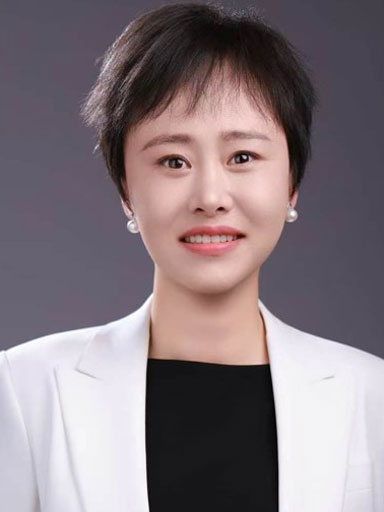
Background: A resilient health system is critical for addressing the increased climate crisis and infectious disease threats. While research on nursing competence and work environment during public health emergencies (PHEs) exists, gaps remain in understanding how their integration enhance system resilience.
Methods: A multiple center cross-sectional study was conducted between December 2023 to January 2024 across 33 hospitals in eastern China, involving 2,435 nurses. Questionnaires measuring nursing competence, work environment resources, nurse disaster resilience, and organizational commitment to resilience were utilized, long with the collection of additional personal demographic data. Structural equation modeling and cluster analysis were performed to explore the underlying mechanisms within the overall model and across multiple groups. Multivariable regression was conducted to identify variables associated with resilience in different subgroups.
Results: Structural equation modeling demonstrated significant effects of nursing competence and work environment support on system resilience. Cluster analysis identified four resilience patterns: strong, marginal, low, and critical vulnerability. Strong resilience correlated with balanced individual-organizational resources, while vulnerable systems relied heavily on environmental support.
Conclusion: This study demonstrates that nursing competence and work environment significantly influence health system resilience during public health emergencies. The identification of four resilience patterns provides actionable insights for policymakers and healthcare managers to develop targeted, effective strategies to strengthen health system resilience across varying levels of public health emergencies.
Yun Hu, RN, PhD, Associate professor, PI of Interprofessional nursing, Visiting Scholar at Duke University and Monash University. Jiulong Medical Young Talent and Shanghai Pharmaceutical Xinglin Talent Award. Lead of Shanghai Municipal Key Curriculum and Model Team for Moral Education.
Research Focus: Public health emergency; Digital humanities and women’s health
Academic Experience: (1)Funded by National Natural Science Foundation of China(NSFC), Shanghai Science and Technology Commission, Shanghai Philosophy and Social Science Office, and Municipal Health Commission. (2)Participated in NIH and Belt & Road Young Scientist projects. (3)International collaborations with Duke, UCL, Manchester, Monash, PolyU, and Yonsei University.
Academic Roles: Reviewer for NSFC; Member of Ministry of Education(MOE) Talent Program Expert Database; Committee Member of International Psycho-Oncology Society(IPOS);
Publications & Achievements:
- Published 50+ papers (The highest IF: 15.1).
-
Developed three validated tools for public health emergency:
- Nurses’ Core Competencies for Public Health Emergencies (NCC-PHEs)
- Community Nurses’ Core Competency for Public Health Emergencies Scale (CNCC-PHEs)
- The Chinese Nursing Work Environment Scale for Public Health Emergencies (C-NWE-PHE Scale)
- Develop a 3,000 nurses team across 12 affiliated university hospitals, preparing them for PHEs,
- Established the “Jiaotong University Model” for emergency nurses training
- Establish a virtual lab for PHEs, develop 4 virtual cases and a AI-case study program for PHEs.
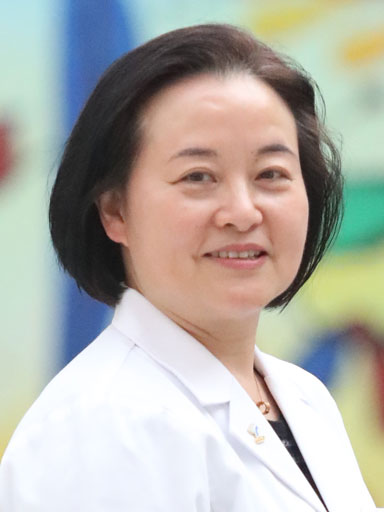
Guided by national policy incentives for social work engagement in public health emergency responses, this paper focuses on the involvement of medical social work in coping with public health emergencies. Taking COVID-19 prevention and control practices as an empirical example, it identifies diversified psychosocial and livelihood needs emerging across different stages of the crisis and analyzes intervention strategies as well as functional roles of medical social work. Findings indicate that medical social work employs a dual-track response paradigm covering individual support and environmental improvement, fulfilling dual functions of micro-level individual empowerment and macro-level social governance. However, due to a lack of institutional policies, a shortage of specialized practitioners, ambiguous role definitions, and unclear participation mechanisms, medical social work cannot fully exert its professional strengths in public health emergencies. Accordingly, this study constructs a full-cycle mechanism for the engagement of medical social work in public health emergencies, explores a dual-track service model integrating routine and emergency responses, and offers policy recommendations to strengthen the role of local medical social work in public health emergency response.
Professor Ji Qingying has dedicated her career to advancing medical social work and medical humanities education. She has been a driving force in the professionalization and localization of medical social work in mainland China, promoting the development of service standards. She led the drafting of the first local standard (DB31/T 1205-2020) for medical social work in China, and served as the chief editor of the first series of textbooks on medical social work in china. She has also promoted the implementation of multiple policies concerning workforce development and professional advancement in medical social work.
She has led over ten research projects, including a National Social Science Fund grant, and published more than twenty papers in SCI, SSCI, and CSSCI journals. Her honors include being named one of the “Top Ten Chinese Social Work Figures” and receiving the Shanghai May Day Labor Medal.
- Chair of the Hospital Social Work and Volunteer Service Committee of the Chinese Hospital Association
- Vice Chair of the Medical Social Work Professional Committee of the China Association of Social Work Education
- Chair of the Medical Social Work Branch of the Shanghai Medical Association
- Chair of the Hospital Social Work and Volunteer Service Committee of the Shanghai Hospital Association
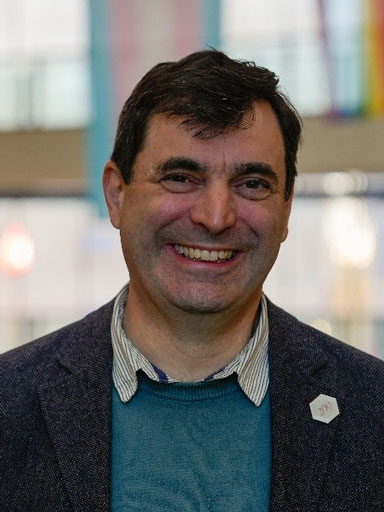
Respiratory diseases are of serious concern in care homes because of the increased transmissibility of such diseases in these settings and the increased chance for severe outcomes among residents. Mathematical modelling is an important tool to help us better understand transmission and the impact of interventions in this setting. It was used throughout the COVID-19 pandemic to inform decision making but there are few well validated bespoke models to the settings. But there were major information gaps that limited advice, these include contact patterns in Prisons and Care homes, the cost of disease and interventions to settings in terms of quality of life. Here I will present results of preliminary studies to elicit contact patterns with surveys and Bluetooth devices, reflect on the application during COVID-19 pandemic of advice for social care sector and draw on lessons identified for future responses.
Ian Hall is a Professor of Mathematical Epidemiology and Statistics at the University of Manchester. With a PhD in vortex dynamics from the University of Exeter, he spent 15 years at Public Health England (now UKHSA), leading modelling efforts for outbreak preparedness, including smallpox and pandemic influenza. He is a member of the Department of Health’s SPI-M group, served as academic chair of the SAGE Social Care subgroup during the COVID-19 pandemic and was elected an inaugural fellow of Academy of Mathematical Sciences in 2025. He was awarded an OBE in June 2024 for his contributions to public health, epidemiology and adult social care, particularly during the Covid-19 Pandemic. His research focuses on disease impacts in vulnerable settings, operational planning, and real-time outbreak modelling for both pandemic preparedness and response. He now brings this expertise to the Christabel Pankhurst Institute, supporting the translation of digital health tools across disciplines.
- Vice Chancellor of Shanghai Jiao Tong University School of Medicine
- Deputy Director of the Key Laboratory of Cellular Senescence and Death.
Prof. Zheng Junke has long been engaged in conducting research in hematopoietic stem cells, leukemia stem cell metabolism, and immunotherapy of Leukemia. He uncovered key roles of glucometabolic and amino acid metabolic and immunosuppressive receptor-mediated signaling in blood stem cell fate determination, providing multiple and potential metabolic and immunological targets for leukemia therapy. He has published over 15 articles in prestigious magazines, such as Nature, Cell Metabolism, JCI, Blood, Sci Adv, and Leukemia, as the corresponding and co-corresponding author. By now, he has published 50 articles in total. He has applied for multiple domestic and overseas patents, as well as participated in compiling monographs. He has held the Key Program and the General Program of the National Natural Science Foundation of China, Shanghai Pujiang Program, Shanghai Oriental Scholar, Dawn Program of Shanghai Education Commission, and more national, provincial, and ministerial level research projects.
Prof. Zheng Junke has been selected as the candidate for the National Science Fund for Outstanding Youth, National Science Foundation for Distinguished Young Scholars, Shanghai Municipal Foundation for Discipline Leaders in Science. He won the second prize of the Shanghai Municipal 15th Rising-Star Award, the Shanghai Municipal Youth May Fourth Medal, the Award for Wu Mengchao Medical Science Foundation. He is a member of the Blood Committee of the Chinese Association for Physiological Sciences, member of the Youth Work Committee of the Chinese Association for Physiological Sciences, member of Cell Metabolism Committee of the Chinese Society for Cell Biology, member of the Experimental Hematology Committee of the Chinese Association of Pathophysiology, the Secretary General of Shanghai Municipal Association of Pathophysiology.

- Lien Ying Chow Professor in Medicine
- Dean, NUS Yong Loo Lin School of Medicine (NUS Medicine)
- Deputy Chief Executive (Education & Research), National University Health System
Professor Chong serves as Deputy Chief Executive for Education and Research at the National University Health System (NUHS), where he advances the academic and research mission across its institutions. He was recently appointed Executive Director of Singapore’s first RIE Grand Challenge on Maximising Healthy and Successful Longevity, leading efforts to extend healthspan in a super-aging Singapore. He is also Chief Clinical Officer at A*STAR’s Institute for Human Development and Potential, overseeing clinical programmes to promote health and human capacity.
A prominent researcher, Professor Chong is lead principal investigator of two major birth cohort studies—GUSTO and S-PRESTO—and has co-authored nearly 700 research publications. His work has earned numerous honours, including the National Outstanding Clinician Scientist Award (2017) and the Public Administration Medal (Silver) in 2022. Motivated by his interest in the Developmental Origins of Health and Disease, he has dedicated his career to bridging medicine with other disciplines and sectors. His contributions have been recognised with an honorary doctorate from the University of Zurich and the ATOM Lifetime Outstanding Achievement Award for Healthcare.
An obstetrician by training, he continues to serve as Senior Consultant in Obstetrics & Gynaecology at the National University Hospital, still delighting in welcoming newborns into the world.
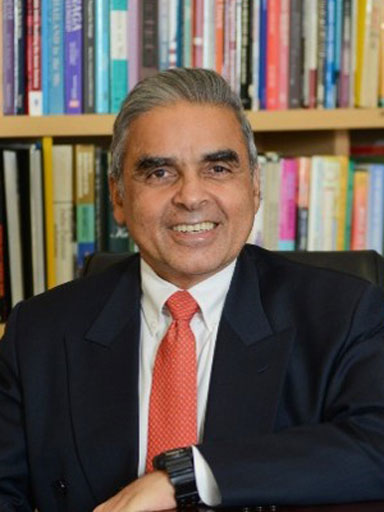
Kishore Mahbubani is a Distinguished Fellow at the Asia Research Institute (ARI) at the National University of Singapore (NUS). He has enjoyed two distinguished careers—as a diplomat and an academic.
From 1971 to 2004, Kishore served in the Singapore Foreign Service, with postings in Cambodia, Malaysia, Washington DC and New York. He twice served as Singapore’s Ambassador to the UN and as President of the UN Security Council, and was Permanent Secretary at the Foreign Ministry from 1993 to 1998. For his distinguished service, he received the Public Administration Medal (Gold) in 1998.
In 2004, Kishore joined academia as Founding Dean of the Lee Kuan Yew School of Public Policy, NUS, serving until 2017. In 2019, he was elected an honorary international member of the American Academy of Arts and Sciences. A President’s Scholar, he graduated with First-Class Honours in Philosophy and holds a Master’s from Dalhousie University.
A prolific author, Kishore has published ten books, including The Asian 21st Century and his memoir, Living the Asian Century. He has received wide international recognition, twice named a Top Global Thinker by Foreign Policy, which described him as “the muse of the Asian century.”
Publishing in high impact journals is important for various reasons, including influencing science, clinical care, and public health, as well as enhancing an author’s career. In this brief presentation I will explore opportunities and challenges.
Howard Bauchner, MD is a Professor of Pediatrics and Public Health at Boston University Chobanian and Avedisian School of Medicine. He served as the 16th Editor in Chief of JAMA and the JAMA Network between 2011 and 2021 and Editor in Chief of Archives of Disease in Childhood between 2003 and 2011.
At JAMA Howard focused on publishing important and novel research articles including randomized clinical trials, opinion pieces, and special communications, improving and expanding clinical content, using electronic/digital approaches to enhance communication, ensuring a commitment to innovation and increasing diversity. During his tenure followers on social media increased from ~13,000 to ~1,200,000 and the electronic table of contents was distributed to over 1,000,000 individuals each week. In print, via eTOC, and social media content published by JAMA reached over 1.5M physicians worldwide each week. All 9 of the specialty journals were renamed (Archives of Pediatrics became JAMA Pediatrics, etc.), 4 new journals were launched – JAMA Oncology (2015), JAMA Cardiology (2016), and JAMA Network Open (2018); and JAMA Health Forum (2020/2021), the latter 2 are both fully open-access journals. Howard authored and recorded over 200 editorials and podcasts (including live-stream events) during his time at JAMA
- Adjunct Associate Professor, Department of Surgery, Yong Loo Lin School of Medicine, National University of Singapore
- Deputy Group Chief Technology Officer, Academic Innovation Office (AIO), National University Health System
Dr Lee’s core priority is delivering the best patient care through collaboration, education, and technology. He believes nurturing future doctors ensures sustained excellence across generations, while AI and big data serve as vital co-pilots to augment clinical decision-making.
A 2013 graduate of NUS Yong Loo Lin School of Medicine (Dean’s List), Dr Lee completed his General Surgery residency at NUHS, obtaining MRCS (Edinburgh) in 2015 and MMed (Surgery) in 2019. He became an FRCS (Edinburgh) and accredited Specialist in General Surgery in 2020. His subspecialty is Endocrine Surgery, with expertise in minimally invasive thyroid surgery, non-invasive thyroid nodule ablation, and advanced parathyroid localisation.
Dr Lee is deeply committed to undergraduate and residency education. He serves as Surgery Undergraduate Deputy Education Director at NUS Medicine, Surgery Block Lead for LKCMedicine’s Phase 3 programme, and Undergraduate Education Director and Associate Program Director for General Surgery Residency at Alexandra Hospital.
Passionate about healthcare informatics, he anchors the NGEMR setup at Alexandra Hospital’s Department of Surgery and leads technology projects at NUHS Group Technology Office. He is currently Deputy Group Chief Technology Officer for the Academic Innovation Office, advancing clinical and educational applications of AI.
At Illumina, innovation is in our DNA. For more than 20 years, we’ve been at the forefront of next-generation sequencing, enabling scientists, clinicians and researchers across more than 140 countries to unlock the power of the genome. Our latest sequencing platforms – the NovaSeq™ X, NextSeq™ 2000 and MiSeq™ i100 – are transforming the way genomic data is generated. From advanced patterned flow cell engineering to streamlined onboard data analysis, we’ve made sequencing more accessible more accurate and more affordable than ever before, helping accelerate discoveries that improve lives around the world.
Now, that same innovation is driving the future of multiomics research. Illumina’s NGS technology has become the foundation for exploring biology at multiple levels, such as genomics, transcriptomics and epigenomics, providing a more complete view of health and disease. Through our innovation roadmap, we are developing tools that deliver greater resolution, faster turnaround and seamless data integration. From single-cell analysis to spatial transcriptomics and proteomics, we are creating the technologies and partnerships that will make multiomics discovery not just possible, but truly transformative.
We look forward to sharing with you where we’re heading next in the field of multiomics, to deliver technology and products that can help accelerate your discoveries.
Yin Nah Teo is Director of Scientific Research in the Core R&D organization at Illumina, where she leads multidisciplinary teams developing next-generation genomics and multiomics technologies. Yin Nah received her PhD in Chemistry from Stanford University, where she specialized in molecular design of modified nucleic acids. She did her postdoctoral training with Dr Sydney Brenner, focusing on developing chemical and biochemical toolkits to interrogate biological systems.
Over more than a decade with Illumina, she has led global project teams involved in translating early-stage innovation into flagship sequencing platforms, including the NovaSeq™ X, NextSeq™ 2000 and MiSeq™ i100, systems that continue to expand the scale, speed, and accessibility of genomics discovery. More recently, her teams have also contributed to the latest multiomics technologies in 5-base sequencing and Illumina TruPath technology.
Recognized as a champion inventor at Illumina, Yin Nah is an inventor in more than 25 patent families and over 98 invention disclosures. She is particularly driven to bridging the gap between research and real-world applications, partnering across scientific, engineering, and operational domains to accelerate the path from concept to product.
Blood-based biomarkers are reshaping how neurodegenerative diseases are detected and monitored, offering a scalable, minimally invasive alternative to brain imaging and cerebrospinal fluid testing. Genomic and high-plex proteomic platforms can identify candidates at unprecedented scale, but the bottleneck lies in generating reproducible, clinical-grade evidence in well-characterized cohorts.
Bredis Healthcare was built to close this gap. Its MFDS-designated GCLP cleanroom laboratory performs more than 50,000 analyses annually across over 560 biomarkers for more than 80 institutional partners in Korea and Singapore. Standardized SOPs and rigorous quality management deliver reproducible quantification at atomolar levels, where minor variations in the environmental and experimental parameters can change results.
Drawing on partnerships with leading Korean hospitals and cohorts — including 23 of the 47 tertiary hospitals and dementia cohorts of more than 15,000 participants — and the MACC at NUS, this talk will show how collaborations evolve from contract testing into joint discovery and clinical validation. It will propose a shared model in which academic cohorts, discovery platforms, and diagnostic developers connect through a quality-assured validation hub — one that gives each participating cohort an independent Asian validation population alongside a common measurement standard, accelerating the path from candidate biomarker to clinically deployable test across Asia.
Dr. Hyundoo Hwang is the Founder and CEO of Bredis Healthcare Inc., a biotechnology company specializing in ultrasensitive biomarker analysis and translational research for neurodegenerative diseases. He earned his B.S., M.S., and Ph.D. in Bio and Brain Engineering from KAIST, receiving his doctorate with distinction. He then completed postdoctoral research at the Georgia Tech and joined as a tenured professor at Tec de Monterrey, where he led international research programs in biomedical engineering, diagnostics, and microfluidics.
Dr. Hwang has more than 20 years of experience spanning biotechnology, medical devices, manufacturing, regulatory affairs, and quality systems. He has led the development and commercialization of a variety of diagnostic and digital healthcare technologies, — including ultrasensitive blood biomarker assays, point-of-care diagnostics, wearable health monitoring systems, and digital therapeutics cleared by the FDA, CE IVDR, and Korea MFDS — and holds more than 70 patents filed or granted in Korea, the United States, China, Japan, and Europe, with over 60 peer-reviewed publications.
At Bredis Healthcare, he has built a quality-assured biomarker validation platform that connects hospitals, academic cohort programs, and industry partners in Korea and Singapore. His work focuses on turning promising biomarker candidates into clinically credible evidence for early detection and patient stratification.
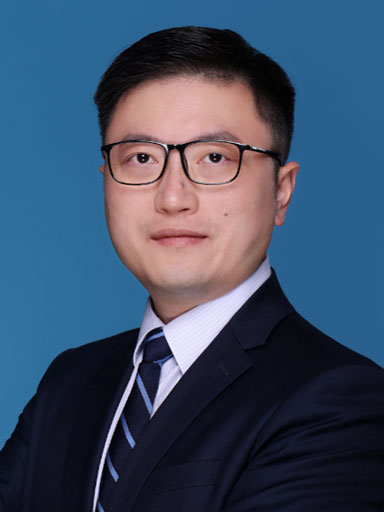
- Director, Office of International Affairs
- Director, Smart Hospital Development (Renji Hospital)
Renji Hospital Triple I exportable AI solution.
Over six years, its internet hospital accumulated over 14 million real doctor-patient dialogues and services. Those records trained AIDA, an AI Doctor Assistant now deployed across 19 disciplines. Separately, in the ICU, a critical care AI model monitors patients 24/7—offering treatment advice in 5 seconds and writing records in 1 minute.
In 2026, Renji earned the world’s first DNV international quality certification for an internet hospital, proving its service standards and data security.
In June 2026, Renji led the “Smart Healthcare Going Global Initiative,” partnering with Global partners such as Mindray to draft a white paper guiding hospitals worldwide.
A 182-year-old hospital didn’t chase scale. It moved early, built depth, and turned data into a global product.
The real moat in healthcare AI isn’t scale—it’s depth.
Wang Chunming, Professor, Ph.D.
Major Concurrent Appointments:
- Vice Chair, Smart Healthcare Expert Committee, Chinese Institute of Electronics
- Director, Medical Operations Management Branch, Operations Research Society of China
- Standing Committee Member, Smart Healthcare Professional Committee, Chinese Association of Integrative Medicine
- Vice Chair, International Medical Services Branch, Shanghai Medical Association
- Committee Member, Medical Artificial Intelligence Management Professional Committee, Shanghai Hospital Association
- Committee Member, Internet Healthcare Committee, Shanghai Medical Association
- And positions in several other national and local professional committees
Career Achievements:
Having held diverse management roles in medical services, scientific research, and teaching at a large comprehensive public hospital, he focuses on interdisciplinary exploration and research in smart healthcare, artificial intelligence, internet hospitals, and international medical services. He has led over 20 projects, including those funded by the National Natural Science Foundation of China, published more than 40 papers in domestic and international journals, and holds 16 granted patents.
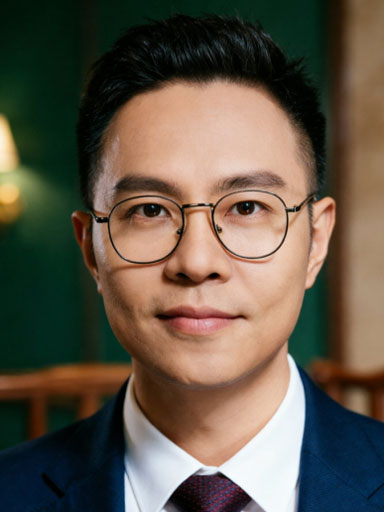
The Guangdong–Hong Kong–Macao Greater Bay Area (GBA) is emerging as a strategic interface for cross-border clinical development. This talk will present the architecture of the GBA Clinical Trial Collaboration Platform, built around the “one institute, one centre” partnership between the Greater Bay Area International Clinical Trial Institute (GBAICTI) in Hong Kong and the Greater Bay Area International Clinical Trial Center (BAY TRIAL) in Shenzhen, co-located within the Hetao Shenzhen–Hong Kong Science and Technology Innovation Cooperation Zone. The platform is designed to support two complementary needs: Chinese sponsors seeking internationally credible, multi-regional evidence for global expansion, and international sponsors needing compliant, predictable routes to generate evidence and reach patients in China. Key enablers include real-world evidence infrastructure, the new regulatory framework for novel biomedical technologies, and a growing pipeline of multi-ethnic and multi-regional trials. This presentation will discuss how the GBA model can move from pilot initiatives to a trusted operating system for clinical development across regulatory boundaries, ultimately helping Chinese innovation reach global markets and global innovation reach Chinese patients.
Yichong Li, MD, is a Principal Investigator and Professor at the National Clinical Research Center for Cardiovascular Diseases, Fuwai Hospital, Chinese Academy of Medical Sciences. He earned his Master and Doctor degree of Medicine and from West China Medical Science Center, Sichuan University, and the Chinese Center for Disease Control and Prevention. From 2013 to 2015, he worked as a Research Fellow at the University of Washington School of Medicine and the Asia-Pacific Research Center at Stanford University. Over the past five years, he has published nearly 50 original articles as first or corresponding author in journals including JAMA, BMJ, JAMA Cardiology, and the Lancet family journals. His work focuses on management of heart failure, as well as clinical research methodology, real world evidence, and cross border trial coordination. In 2025, his H index reached 57, and he has been consecutively listed in Stanford University’s World’s Top 2% Most Cited Scientists from 2022 to 2025. He currently serves as Director of the BAY TRIAL, leading efforts to build a bidirectional clinical research gateway between China and the global community.
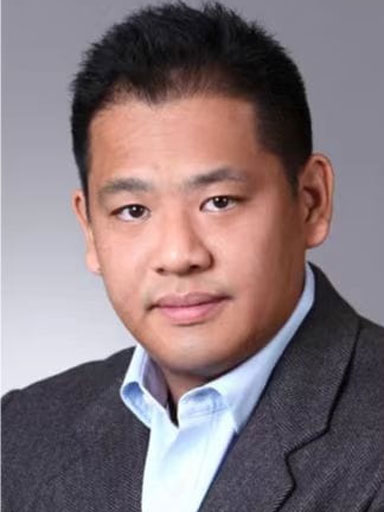
The success of gene therapy relies on delivery systems that enable safe, targeted, and stable translation of genetic material into functional proteins. Here we describe the development process to translate a novel extracellular vesicle gene therapy platform to first in human clinical trials in China via the new 818 dual track regulatory framework.
Andrew Lee, MD, PhD, is an Associate Professor at Peking University Shenzhen / Shenzhen Bay Laboratory, and Deputy Director of the HK-Macau-Guangdong GBA International Clinical Trial Center. He earned his B.S. from Yale and MD/PhD from Stanford, where he completed residency in Clinical Pathology with a focus on cell gene therapy clinical trials. His work focuses on clinical translation of non-viral gene therapies for treatment of rare disease, with over 60 publications in Cell, Nature Medicine, Nature Biotechnology, Nature Biomedical Engineering and JAMA, cited over 12,000 times (H-index 47)
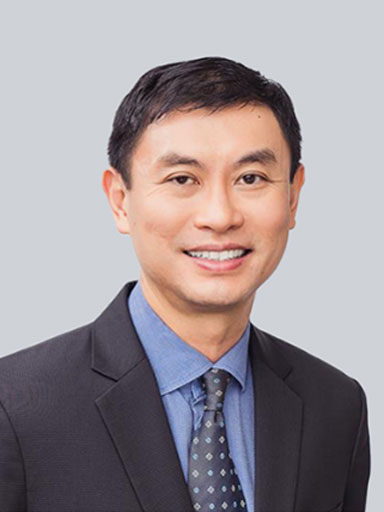
- Advisor, Temasek International
- Adjunct Professor, Duke-NUS Medical School, Singapore
- Adjunct Professor, Nanyang Technological University’s Lee Kong Chian School of Medicine, Singapore
There is rapid development in the lifesciences and healthcare sector in China, Singapore is also positioning itself as a regional regulatory platform. This sharing will provide information on how BioSparc – which acts as the China-Singapore Lifesciences Corridor between Suzhou Industrial Park and Singapore, can facilitate further partnership between both countries.
Currently serving as Advisor, Ecosystem Enablement (Healthcare & Lifesciences), Temasek Singapore Pte Ltd, Sze-Wee plays a pivotal role in shaping cross-border biomedical innovation and investment strategy. His work includes advancing Temasek’s involvement in BioSparc, a flagship initiative jointly developed with Suzhou Industrial Park (SIP), designed to anchor the China–Singapore Life Sciences Corridor.
In this capacity, he is leading the development of a bi-directional platform that enables high-potential Chinese biotech companies to leverage Singapore’s regulatory strength, global connectivity, and commercialization capabilities, while providing international life sciences companies with structured access to China’s innovation ecosystem. This effort represents a first-of-its-kind Sze-Wee has held multiple senior leadership roles across Singapore’s innovation ecosystem, including overseeing national biomedical and engineering research strategies, directing multi-billion-dollar R&D; portfolios, and advancing commercialization pipelines through strong public-private partnership.
Sze-Wee holds an Adjunct Professorship at Duke-NUS Medical School and continues to contribute actively to academic, policy, and industry discourse. He previously served as a Nominated Member of Parliament in Singapore and is a recipient of multiple national honors, including the Public Administration Medal (Silver). He holds an MBBS from the National University of Singapore, an MBA from the University of Warwick, and has completed Executive Education at Stanford Graduate School of Business.
- Director of the Brain Center of the Second Affiliated Hospital of Zhejiang University School of Medicine.
- Director of the Institute of Neuroscience of Zhejiang University.
- Vice President of Zhejiang University.
This study examined how negative stressors engage amygdala circuits to drive anxiety and depression. We propose that disrupted microcircuit connectivity and functional dynamics in the amygdala lead to hyperexcitability, representing a shared neural basis of emotion disorders. We further identified cannabinoid receptor 1 (CB1R) as a critical molecular regulator of amygdala activity: deletion of CB1R in the amygdala induced anxiety- and depression-like behaviors, whereas CB1R activation produced rapid anxiolytic and antidepressant effects. To develop safer CB1R-targeted therapies, we investigated biased CB1R signaling and rationally designed G protein-biased agonists that preferentially activate Gi signaling while minimizing β-arrestin recruitment. Our lead compounds showed strong robust therapeutic efficacy, and substantially reduced adverse effects in preclinical models. These findings reveal key pathogenic mechanisms and support a new strategy for safe and rapid-acting treatments for anxiety and depression.
Prof. Li has been engaged in teaching, scientific research and clinical work of mental diseases for a long time, focusing on understanding the circuit and molecular mechanisms underlying the emotions and related disorders, in identifying targets to develop therapeutic strategies for treating psychiatric disorders such as anxiety and depression disorders. He is the chief scientist of the Major Project of the National Natural Science Foundation “Mechanisms and Clinical Translation of Anxiety Disorder” and the Major Project of the Ministry of Science and Technology “Research on the Neural Circuit Mechanism of Fear Emotion”. Representative papers have been published in Cell, Nature Medicine, Nature Neuroscience, Neuron, etc. He also obtained a number of invention patents such as diagnostic kit for depression. His numerous honors include the First Prize of the Chinese Medical Science and Technology, the Tan Jiazhen Life Scientific Innovation Award, the Wu-Yang Award, and the Chinese Society for Neuroscience-CST Outstanding Neuroscientist Award.
Professor Ying’s team has long been dedicated to research on the pathogenesis and intervention strategies of chronic airway diseases. Their previous studies revealed the mechanism of eosinophil-driven myeloid-biased differentiation in the bone marrow hematopoietic lineage in asthma, identified a novel therapeutic target CCR1, and proposed a structure-guided anti-inflammatory small-molecule intervention strategy for asthma.
Eosinophil-mediated inflammation plays a central role in several refractory conditions, including severe asthma, hypereosinophilic syndrome (HES), and eosinophilic granulomatosis with polyangiitis (EGPA). Although biologics targeting IL-5 or its receptor (IL-5R) have been approved for clinical use, a subset of patients exhibit incomplete or inadequate responses and necessitate repeated administrations. The team has also pioneered a cytokine-anchored CAR-T therapy that enables targeted in vivo depletion of eosinophils. This technology has now been granted invention patents in both China and Japan, and related clinical trials have been initiated, with the initial indications focusing on patients with refractory HES and CEL.
Dr. Songmin Ying, M.D., Ph.D., is a Qiushi Distinguished Professor and Executive Dean of the Zhejiang University School of Medicine. He also serves as the Director of the Zhejiang-Denmark International Joint Laboratory for Regenerative and Aging Medicine. His research focuses on the basic and translational medicine of aging and chronic airway diseases, and has been published in Nature, Vita, Science Immunology, Molecular Cell, Cell Research, Nature Cell Biology, Nature Chemical Biology, Cell Discovery, Cell Reports, Journal of Hematology & Oncology and Allergy. He has been awarded the National Science Fund for Distinguished Young Scholars and has been selected for the National Ten Thousand Talents Program.
Dr. Ying earned his Ph.D. in Biochemistry from the Technical University of Munich, Germany, and completed postdoctoral training at the University of Oxford, United Kingdom. He holds several key academic appointments, including Chair-Elect of the Respiratory Specialty Committee of the Chinese Association for Physiological Sciences (CAPS), Standing Committee Member of the Chinese Thoracic Society (CTS), and Vice Chair of the CTS Asthma Group. He is also the member of the College of Experts of the European Respiratory Society (ERS).
CD8+ T cells play a central role in anti-tumor immunity and are major targets of tumor immune evasion. Their functions are tightly controlled by intracellular signaling pathways, including dual-specificity phosphatases (DUSPs). However, the role of DUSP4 in tumor immunity remains poorly understood. Here, we demonstrate that DUSP4 deficiency, particularly in the hematopoietic compartment, promotes colorectal tumorigenesis in mice and that low tumor DUSP4 expression is associated with poorer survival in colorectal cancer patients. Mechanistically, DUSP4 deficiency compromises anti-tumor immunity by impairing CD8+ T cell activation, proliferation, and effector function. DUSP4 restrains ERK2-mediated KLF2 expression, thereby preventing KLF2-dependent suppression of cytotoxic gene programs. Furthermore, CRISPRa-mediated DUSP4 activation enhanced CAR-T cell proliferation and tumor-killing capacity. Higher DUSP4 expression in CAR-T cells was also associated with improved outcomes in both lymphoma and colorectal cancer patients receiving CAR-T cell therapy. Together, these findings identify the DUSP4–ERK2–KLF2 axis as a key regulator of CD8+ T cell anti-tumor immunity and suggest DUSP4 as a potential biomarker and therapeutic target for improving T cell-based cancer therapies.
Dr Zhang Yongliang obtained his PhD in 2002 from the National University of Singapore (NUS), Singapore. He performed his postdoctoral research in the Department of Immunology, University of Washington, and the University of Texas MD Anderson Cancer Center, USA. He joined the Department of Microbiology and Immunology, Yong Loo Lin School of Medicine, National University of Singapore, as an Assistant Professor in 2009, and was promoted to Associate Professor with Tenure in 2017.
Immunotherapies, including bispecific antibodies, antibody-drug conjugates, and chimeric antigen receptor (CAR) T cells, have improved outcomes of refractory or relapsed (r/r) B-cell lymphoma and multiple myeloma. At our center, we not only use CAR-T cell therapy in relapsed and refractory B-cell lymphoma, we are also striving to use CAR-T in patients who have received fewer lines of treatment, including newly diagnosed B-ALL and MM. These patients have better preservation of immune cell function and better physical condition, and the significant role of CAR-T in clearing tumor residues may help these patients achieve better long-term survival.In addition, we are also conducting CAR-T research targeting CD7. Allogeneic CD7 CAR T cells targeting CD7-positive cancers (including T-ALL, T-LBL, and some CD7-expressing AML) have demonstrated clinical safety and efficacy.We proposed a novel “all-in-one” strategy of sequential CD7 CAR T-cell therapy and haploidentical HSCT which made it’s possible for avoiding pharmacologic myeloablation or GVHD prophylaxis.
Physician at The First Affiliated Hospital, Zhejiang University School of Medicine. Her research focuses on the bioinformatics and exhaustion mechanisms of CAR‑T cells. Previous work has been published in Advanced Science and Molecular Therapy. She was supported by China Postdoctoral Science Fundation and participated in the project from Zhejiang Provincial Youth Natural Science Foundation. Having extensive experience in the comprehensive management of the CAR‑T therapy process.
Professor Paul MacAry received his BSc (Hons) in Molecular Genetics from the Glasgow University in 1993 and his PhD in Immunology from GKT, University of London in 1998. He performed post-doctoral researches in the Cambridge University Institute for Medical Research (CIMR) and since 2005 has been an independent investigator in the Department of Microbiology and Immunology programme at the National University of Singapore (NUS). The multi-disciplinary research in his laboratory covers the entire spectrum of scientific endeavour, from basic research to industrial applications with an emphasis on antibody biology, immune repertoire mapping and protein engineering. His laboratory has ongoing collaborations with Roche Pharma, GlaxoSmithKline, Chugai and Becton Dickinson. Paul was a founding member and Meetings Secretary for the Singaporean Society of Immunology (SSI)-Singapore’s first international learned society and the founding scientist for two biotechnology companies, BSCR LTD founded in Cambridge in 2004 and Antibody Cradle LTD founded in Singapore in 2012. His research has been featured in covering articles on the BBC and Reuters and he has published several manuscripts in top international journals including Science, Science Translational Medicine, Nature Medicine, Immunity, Hepatology, PNAS and Blood with four included in the staff of 1000.
Advances in brain imaging and AI provide an unprecedented opportunity to explore the human mind and develop new approaches for treating neurological disorders. Foundation models have emerged as powerful tools for analyzing large-scale brain activity data. In this talk, I will our recent work on multimodal brain foundation models. Brain-JEPA introduces a Joint-Embedding Predictive Architecture (JEPA) for brain dynamics, which achieves outstanding performance across multiple tasks including demographic prediction, disease diagnosis, and trait prediction. We then developed Brain Harmony which aligns brain structure and function with geometrical constaints, which demonstrate superior performance in applications across neurodegenerative and neurodevelopmental disorders. Our recent work on AI-driven models for brain vision decoding will be also discussed. Moving forward, integrating AI with brain imaging paves the way for improved understanding of the human brain organization, early diagnosis and treatment strategies for neuropsychiatric disorders.
Associate Professor Juan Helen Zhou is Director of the Centre for Translational MR Research and an Associate Professor at the Centre for Sleep and Cognition, Yong Loo Lin School of Medicine, National University of Singapore, with joint appointments in Electrical and Computer Engineering at NUS and affiliations with Duke NUS Medical School. Her research focuses on selective brain network vulnerability in ageing and neuropsychiatric disorders, leveraging multimodal neuroimaging and machine learning to advance precision neurology and psychiatry. She is internationally recognised for pioneering work on the multimodal brain connectome, serves as an editor or board member for leading journals including Nature Communications Biology, eLife, Human Brain Mapping and Imaging Neuroscience. She is also an OHBM Fellow and serves on the Council, Program Committee, and Area Chair of ISMRM, OHBM, MICCAI, and KDD. She served as Treasurer of Society for Neuroscience Singapore chapter and is currently a board member of ISMRM Singapore Chapter. She has received competitive funding from Singapore’s NMRC, NRF and MOE, as well as the UK Royal Society and the US NIH.
In the rapidly evolving landscape of cardiovascular medicine, our team has dedicated extensive efforts to integrating Artificial Intelligence (AI) into the full spectrum of valvular heart disease management. We have moved beyond traditional methods to establish a comprehensive AI-empowered ecosystem that enhances precision at every clinical stage.
In the realm of screening and diagnosis, we utilize advanced deep learning algorithms to automate the analysis of complex multimodal imaging, such as CT. This approach significantly improves the detection accuracy of subtle valvular pathologies and enables the early identification of high-risk patients who might otherwise be overlooked. Furthermore, regarding treatment, our research focuses on leveraging AI for preoperative planning and outcome prediction. By constructing robust predictive models, we can simulate procedural outcomes for interventions like Transcatheter Aortic Valve Replacement (TAVR), allowing for personalized risk stratification and optimized device selection. These concerted efforts represent a significant leap forward in translating computational intelligence into tangible clinical benefits, ultimately improving patient prognosis and standardizing care quality.
Qifeng Zhu M.D. is an Cardologist in Department of Cardiology, the Second Affiliated Hospital of Zhejiang Univeristy School of Medicine. Graduating from the 8-year clinical program at Zhejiang University School of Medicine, he now serves as secretary at the State Key Laboratory of Transvascular Implantation Devices. Specializing in valvular heart disease and congenital heart disease, Dr. Zhu has performed over 1,000 interventional procedures. He has published more than 20 papers in top journals, such as Science Bulletin and Eurointervention. He is also dedicated to clinical application of artificial intelligence on disease screening, diagnosis and treatment.
This report outlines the evolution of medical AI technologies, characterized by knowledge-guided and data-driven approaches. It highlights representative work and key achievements in areas such as assisted diagnosis and health management, analyzing how these technologies empower and reshape the agents and models of clinical decision-making. Furthermore, it delves into critical challenges currently faced, including reliability and ethical compliance, as well as future directions for development.
Zhengxing Huang is a Professor and PhD supervisor at Zhejiang University’s Institute of Artificial Intelligence. His research focuses on medical multimodal representation learning—from data to knowledge to decision-making—to transform clinical decision-making for complex diseases.
He has published over 100 papers, with 70+ as first/corresponding author in journals such as Nature Medicine, NEJM AI, Science Advances, Nature Communications, and conferences including AAAI and MICCAI. His work has been positively cited in Nature, Nature Medicine, and clinical expert consensus.
He serves as a board member of the Chinese Information Processing Society, Vice Chair of its Medical Health Committee, and is the only Chinese scholar on the Board of Directors of the Society for Artificial Intelligence in Medicine (AIME). He is Co-Editor-in-Chief of Artificial Intelligence in Medicine and serves on six editorial boards, including npj Digital Medicine. He is listed in Stanford/Elsevier’s “World’s Top 2% Scientist” (2025). As a core team member, he has received three first-class provincial/ministerial awards: Military Science and Technology Progress, Electronics Institute Science Progress, and Higher Education Outstanding Research Achievement.
Generative artificial intelligence (AI) is rapidly populating medical records with AI-generated content, creating a feedback loop in which future models risk training on uncurated AI outputs. The clinical consequences of this contamination remain unexplored. Here we show that, without mandatory human verification, recursive training erodes pathological variability and diagnostic reliability of medical data at population scale. Three prospective studies in real clinical settings, together with computational experiments spanning >300,000 synthetic data points across clinical text, vision–language reporting, and medical image synthesis, reveal progressive loss of clinically important information across architectures, parameter scales, and data volumes. Less common clinical concepts collapse first and most steeply; degradation reflects erosion of patient-specific content rather than benign standardization of terminology, and can be masked by widely used surface-level metrics. Physician review confirms that AI-generated documentation becomes clinically unreliable within a few cycles. We systematically evaluate five mitigation strategies that can be integrated into existing clinical workflows, finding that none fully eliminates degradation of medical information, while real-data mixing and high-effort physician editing meaningfully preserve diversity. Ultimately, our results suggest that without policy-mandated data provenance and human oversight, the deployment of generative AI threatens to degrade the very healthcare data ecosystems it relies upon.
Dianbo Liu is assistant professor at NUS , leading the Artificial Scientific Intelligence Lab. Before starting the Artificial Scientific Intelligence Lab, Dianbo Liu was a group leader at the Broad Institute of MIT and Harvard. Prior to the Broad Institute, Dianbo worked as a postdoctoral researcher with Prof. Yoshua Bengio (a Turing Award winner) and led the Humanitarian AI team at the Mila-Quebec AI Institute. This followed his fellowship training and studies in medical informatics at Harvard Medical School. Dianbo earned his PhD from the University of Dundee, Scotland, under the supervision of particle physicist Prof. Timothea Newman. During his doctoral studies, he received the Vest Principal Scholarship from the Massachusetts Institute of Technology (MIT) and was a special graduate student at the MIT Computer Science and Artificial Intelligence Lab. Dianbo also co-founded two start-ups, GeneTank and SecureAILabs, to advance AI applications in sciences during his training.
- Assistant Dean for Research, NUS Medicine
- Head, NUHS Clinician-Scientist Academy
- Associate Professor (Tenured)
- Senior Consultant, Division of Infectious Diseases, NUH
Tuberculosis (TB) cavities and tissue destruction are hallmarks of established TB disease, where the activity of destructive host proteases matrix metalloproteinases (MMPs) are unopposed by their specific tissue inhibitors. The role of the host immune system such as neutrophils in TB will be explored as there are evidence that these cells play both a protective role and in host-driven tissue destruction both in pulmonary and CNS-TB. Additionally, diabetes worsen tissue destruction, driven by a neutrophil hyper-inflammatory signature. Consequently, immunomodulatory therapies in preclinical studies and human clinical trials can be adjuncts to treat TB. Data from a clinical trial using MMP inhibition decreased MMPs in TB patients and decrease lung cavities. Strategies targeting MMP inhibition can improve TB-associated morbidity and mortality.
Catherine W.M. Ong MBBS, MRCP(UK), MMed (Int Med), PhD, FAMS, FRCP is a tenured Associate Professor in the NUS Department of Medicine, Assistant Dean for Research in NUS Medicine, Head of the NUHS Clinician-Scientist Academy, Principal Investigator in iHealthtech, and Senior Consultant in Infectious Diseases at NUH. She is also a Visiting Consultant at Singapore’s National Tuberculosis Care Centre, with clinical and research expertise in tuberculosis (TB).
Internationally, she serves on journal editorial boards, including as Associate Editor of the European Respiratory Journal and Deputy Editor of the International Journal of Tuberculosis and Lung Disease. She is Treasurer on the Executive Council of the ESCMID Study Group for Mycobacterial Infections, and previously held leadership roles in the Society of Infectious Disease (Singapore), Academy of Medicine Singapore, and the College of Clinician Scientists Singapore. She is an expert reviewer for major funders including the Wellcome Trust, UKRI, and ESCMID.
Dr Ong graduated from NUS Medicine (2003) and completed Infectious Diseases training and a PhD at Imperial College London (2013) on an NMRC NRF-MOH Scholarship. Her laboratory investigates TB host–pathogen interactions, biomarker discovery, and host-directed therapies through multinational trials, supported by NMRC, NCID, and NUS. Her team has received awards from ECCMID, APCCMI, and the Wellcome Trust, and she has earned major accolades including Gates Foundation and IDSA awards and multiple NMRC Clinician Scientist awards.
Under the guidance of Professor Yonghong Xiao, Dr. Luo and their team conducted a large scale genomic surveillance of Acinetobacter baumannii bloodstream infections (BSIs). Over a decade, they analyzed 1,506 non repetitive BSI isolates from 76 Chinese hospitals, identifying 149 sequence types (STs) and 101 K locus (KL) types, which revealed increasing population diversity. International clone 2 (IC2) accounted for 81.74% of isolates, with ST208 rising while ST191 and ST195 declined—mirroring global trends. ST208 showed higher virulence, enhanced antibiotic resistance, greater desiccation tolerance, and more complex transmission networks, driven by genomic plasticity. These findings indicate that A. baumannii is evolving from a low virulence, multidrug resistant pathogen toward a more virulent one, linking this evolution to capsular types and lineage prevalence.
In parallel, the team’s mechanistic work using the hypervirulent strain LAC 4 identified a novel AraC family transcriptional regulator, VirS. They demonstrated that VirS not only auto regulates its own promoter but also directly binds the promoter of the capsular synthesis gene wza to modulate its transcription. Furthermore, VirS possesses a classical arabinose sensing domain and responds to L arabinose.
Together, their research reveals the emerging “high resistance and high virulence” trajectory of A. baumannii and provides a mechanistic link between virulence regulation and capsular expression. These findings have critical implications for infection control and public health policies.
Dr. Luo has long studied the epidemiology, transmission, and mechanisms of drug resistance and virulence in clinically important pathogens. She has published over 60 research papers, including more than 20 as first or corresponding author in journals such as Nature Communications, Emerging Microbes & Infections, and Clinical Microbiology & Infection. One of her papers was selected as part of Taylor & Francis Group’s “Top 100 Most Popular Research Papers by Chinese Scholars”.
Dr. Luo serves as a member of the Infectious Diseases Physicians Branch of the Chinese Medical Doctor Association, Vice Chairman of the Youth Committee of the Branch of Bacterial Infection and Drug Resistance Prevention and Control (Zhejiang Medical Association), and Vice Chairman of the Youth Subcommittee of the Committee on Microbial Drug Resistance and Control (Zhejiang Pharmaceutical Association).
She has led 5 national level projects (including major special projects for infectious diseases and NSFC grants) and 3 provincial level projects. She was a leading expert in drafting the Expert Consensus on Diagnosis, Treatment, and Prevention of Hypervirulent Carbapenem resistant Klebsiella pneumoniae Infection. She also received a Second Prize of the Zhejiang Provincial Science and Technology Progress Award.

- Associate Professor, NUS School of Medicine & Department of Computer Science
- Associate Director and Senior Group Leader, Genome Institute of Singapore, A*STAR
Asymptomatic gut colonisation by carbapenemase-producing Enterobacterales (CPE) represents a clinically significant but poorly understood reservoir of antimicrobial resistance. While CPE infections are well characterised, the natural history of asymptomatic carriage and the underlying microbiome dynamics have remained largely opaque.
Using the CaPES longitudinal cohort, we performed deeply sequenced shotgun metagenomics on stool samples (up to 12 timepoints per individual) from CPE-colonised subjects and household controls. Key findings include: (1) CPE colonisation was associated with reduced microbial diversity and a pro-inflammatory gut environment favouring elevated but unstable Enterobacteriaceae abundances; (2) spontaneous CPE clearance within one year was accompanied by expansion of commensal taxa and anti-inflammatory functional pathways, indicating microbiome resilience and potential therapeutic targets; and (3) different CPE species (e.g. E. coli, K. pneumoniae) exhibited distinct strain dynamics, with whole-genome data revealing sub-strain variation in functional genes and shared plasmids carrying variable resistance profiles, highlighting intra-host evolutionary processes relevant to AMR dissemination.
These results reveal how asymptomatic CPE carriage remodels gut microbial ecosystems, and identify ecological biomarkers that may inform infection control, antimicrobial stewardship, and microbiome-modulating therapeutic strategies in high-CPE-prevalence settings.
Prof. Niranjan Nagarajan is Associate Professor in the School of Medicine and Department of Computer Science at the National University of Singapore, and Associate Director and Senior Group Leader at the Genome Institute of Singapore, A*STAR. He obtained a B.A. in Computer Science and Mathematics from Ohio Wesleyan University, an M.S. and Ph.D. in Computer Science from Cornell University (2006), and completed postdoctoral training at the University of Maryland in genome assembly and metagenomics. He joined A*STAR as a principal investigator in 2009.
His lab develops cutting-edge genome analytic tools to study diverse microbial communities and their impact on human health, at the interface of genetics, computer science and microbiology. The lab was among the first to develop hybrid assembly tools for genome-resolved metagenomics and has pioneered their use for AMR surveillance in hospital environments. He has published over 100 papers with more than 20,000 citations (H-index 64), has been named among the world’s most-cited researchers (2021–2024), and was awarded the National Research Foundation Investigatorship (Singapore) in 2024.
Zhejiang University (ZJU) has China’s first-class infectious diseases research system and talent team, including relevant research achievements from basic to clinical. ZJU established China’s first national key laboratory for infectious diseases in 2007. The laboratory is composed of research and clinical sections. It is mainly engaged in basic and clinical research on classical infectious diseases and emerging infectious diseases. The main research contents include viral infection, severe liver disease and artificial liver support, HIV and AIDS, bacterial resistance and anti-infection therapy, human microbiome, emerging infections (such as influenza, COVID-19, etc.). It has made outstanding achievements in epidemiology, pathogen discovery and pathogenesis, diagnostic technology and clinical management, especially in the treatment of severe diseases such as H7N9 avian influenza and COVID-19. For example, we explored the panoramic structure of COVID-19 virus, cytokine storm, micro-ecological disturbance and the pathogenesis of severe infections, and the application of novel measures such as early anti-virus combining with elimination of cytokine storm. The patient fatality rate of severely infection is lower than those of other centers.
Yonghong Xiao. Professor, PI, Vice-director, State Key Laboratory of Diagnosis & Treatment of Infectious Diseases, 1st Affiliated Hospital, School of Medicine, Zhejiang University.
Professor Xiao’s major interesting includes infectious diseases, basic and clinical researches in antimicrobial agents, bacterial resistant surveillance and mechanisms, clinical pharmacology and rational use of antibiotics.
He is the founder & leader of MOH national antibacterial resistant investigation net. He conducted many international collaborative projects in AMR surveillance and control, which included Sweden, Great Britain, The Netherlands, EU and WPRO, etc. He conducted the first One-Health AMR containment program in China in 2015. He holds many positions in societies and associations both in domestic and international, such as Chinese Society of Preventive Medicine, Chinese Medical Association, Chinese Medical Doctor Society.
Up to now, Professor Xiao completed more than 30 national and international funded studies and over 50 clinical trials of new antimicrobial agents. More than 500 peer-review papers and 30 books and chapters were published.
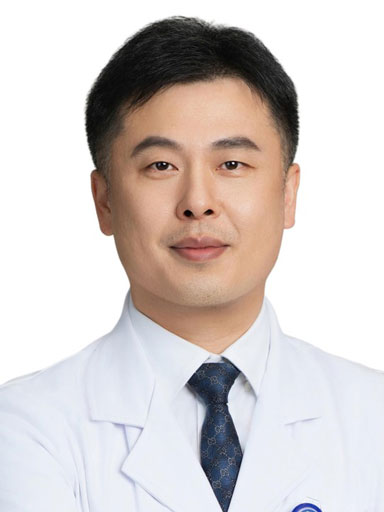
With the aging of the population, heart valve diseases seriously affect the health of the elderly. Focusing on critical challenges, our term conducted full-chain solution research, achieving systematic outcomes: (1) Development of new technologies, devices, and strategies: To address the complex anatomy of bicuspid aortic valve (BAV), we pioneered a expandable valve sizing technique to improve procedural success. As a core team member, we developed domestic devices including the retrievable VenusA‑Plus valve and the Dragonfly repair system. For post‑TAVR follow‑up, we created a smartwatch‑based remote monitoring model, achieving 76% early warning of out‑of‑hospital clinical events. (2) Revealing genetic characteristics of BAV, and elucidating novel mechanisms of CAVD: Using the largest Chinese bicuspid cohort, we identified that ADAMTS16 mutation drives raphe formation, and further demonstrated that mitochondrial damage is a key driver of valve calcification, from which potential therapeutic drugs were screened. (3) Exploring targeted drug intervention strategies to promote clinical translation for CAVD: To overcome low local drug delivery, we developed a PAR2‑targeted magnetic nanocarrier, enhancing drug enrichment in calcified valves by 54.45%. Additionally, we designed a dual‑network hydrogel‑coated bioprosthetic valve to improve durability. This work forms a complete research chain of “technological innovation-mechanism elucidation-clinical translation”.
Xianbao Liu, M.D., Ph.D. is Professor and Vice Dean of Zhejiang University School of Medicine, and Vice Dean of the Cardiovascular and Cerebrovascular Disease Hospital at the Second Affiliated Hospital of Zhejiang University (SAHZU), Hangzhou, China.
His clinical expertise focuses on valvular heart disease. Under the mentorship of Academician Jian’an Wang, he has provided on-site guidance to 13 medical centers in Europe, South America, and Asia, as well as 27 provinces in China. Dr. Liu’s research addresses key challenges in valvular heart disease through an integrated bench-to-bedside approach. He was instrumental in developing China’s first retrievable VenusA-Plus valve and the DragonFly™ transcatheter mitral repair system. He conducted a full-spectrum study from procedural strategy (Tailor TAVR trial), procedural approach (Single-closure trail), to patient follow-up (SMART TAVR trail).
Dr. Liu has published over 80 papers in journals including Circulation, JACC, Nature Communications, and Science Bulletin. He holds 20 authorized invention patents and has received two Second Prizes of the Chinese Medical Science and Technology Award. He leads five projects funded by the National Natural Science Foundation of China, including the National Science Fund for Distinguished Young Scholars, and was a principal investigator of the National “863” Young Scientist Program.
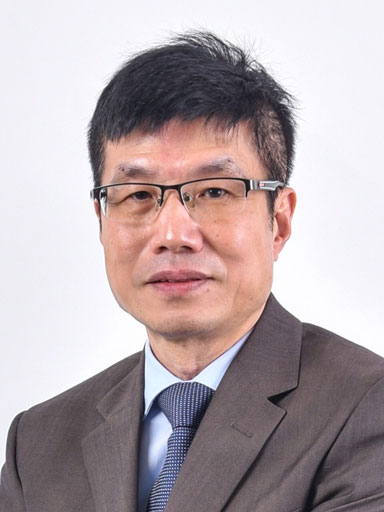
Several vascular diseases including coronary artery disease, hypertension, stroke, and abdominal aortic aneurysm, have significant genetic underpinnings. Genome-wide association studies have unveiled many genetic loci associated with one or more of these diseases. However, the causative genes at most of these loci are yet to be determined, which hampers the translation of the genetic findings into a better understanding of the disease mechanisms and the identification of new therapeutic targets. In an integrative functional genomics analysis of these loci, we identify a panel of likely causal genes, some of which are pleiotropic for more than one of these vascular diseases. Pooled CRISPR knockout screen analyses of these likely causal genes indicate that many of them influence vascular smooth muscle cell behavior, and validation experiments of selected genes confirm that FES, BCAR1, CARF and SMARCA4 exert such effects. Animal model studies show that Fes knockout promotes atherosclerosis and raises blood pressure whilst Smarca4 knockout reduces atherosclerosis and aortic aneurysm formation. These findings provide an insight into the genetic basis of vascular diseases and inform targets for therapeutic development.
Professor Shu Ye’s research focuses on the pathogenesis and treatment of cardiovascular diseases, with particular emphasis on coronary heart disease. His recent work seeks to uncover how genetic variation influences susceptibility to cardiovascular conditions and to identify novel targets for therapeutic intervention.
He received his MD from Sun Yat-sen University of Medical Sciences in 1992 and his PhD from University College London in 1996. He then worked as a British Heart Foundation Research Fellow at the University of Oxford, before taking up academic positions at the University of Southampton. He later became Professor at Queen Mary University of London and subsequently at the University of Leicester. Since 2022, he has been serving as Research Professor at the National University of Singapore.
Atherosclerotic cardiovascular disease remains the leading cause of mortality worldwide. Although LDL receptor-mediated clearance is the dominant pathway for plasma LDL removal, clinical and experimental observations suggest that hepatocytes retain substantial capacity to bind and internalize LDL even in the absence of functional LDLR. This indicates the existence of LDLR-independent pathways that may be therapeutically exploitable, particularly for homozygous familial hypercholesterolemia and other conditions in which LDLR function is severely impaired.
To systematically define the genetic architecture of LDLR-independent LDL uptake, we performed an unbiased genome-scale CRISPR knockout screen in LDLR-deficient human hepatocytes and identified hundreds of genes whose disruption significantly altered LDL uptake. By integrating these functional screening results with rare coding variant analysis from large-scale human exome sequencing datasets, we further prioritized candidate regulators with potential causal relevance to circulating LDL cholesterol levels.
Subsequent functional validation revealed multiple previously unrecognized pathways that regulate LDL uptake, plasma cholesterol, and atherosclerosis under LDLR-deficient conditions. Together, this work establishes a genome-scale framework for discovering LDLR-independent mechanisms of lipoprotein clearance and highlights new therapeutic opportunities for severe hypercholesterolemia and atherosclerotic cardiovascular disease.
Dr. Haojie Yu obtained his PhD in Molecular Biology from Nanyang Technological University, Singapore, followed by postdoctoral training at Harvard University, where he worked on the genetics and biology of metabolic diseases. Dr. Yu joined the National University of Singapore in 2020 and is currently an Assistant Professor in the Department of Biochemistry, Yong Loo Lin School of Medicine.
His research aims to discover novel therapeutic strategies for cardiometabolic diseases, including atherosclerotic coronary artery disease, obesity, and metabolic dysfunction-associated steatohepatitis. His group combines human genetics, functional genomics, CRISPR/Cas9-based screening, computational biology, and preclinical animal models to identify disease-causal genes and pathways. Dr. Yu has received several research awards, including the Elaine W. Raines Early Career Investigator Award from the American Heart Association and the Distinguished Research Award from Harvard Medical School.
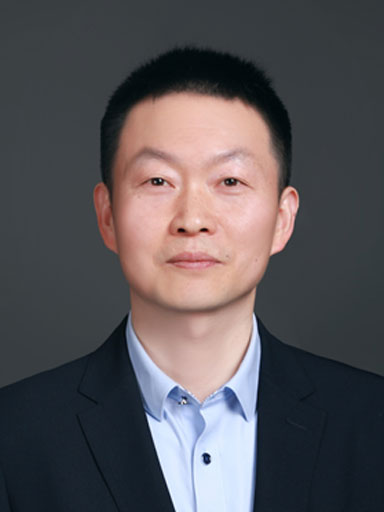
We identified MRPS5, a mitochondrial ribosomal protein, as a critical regulator of cardiac metabolic homeostasis. Cardiomyocyte-specific deletion of Mrps5 caused severe cardiac hypertrophy, heart failure, and embryonic lethality. Mechanistically, MRPS5 deficiency disrupted mitochondrial cristae structure, impaired oxidative phosphorylation, and reduced ATP production. The study further demonstrated that mitochondrial translation defects reprogram nuclear gene expression through the L-phenylalanine/c-Myc/KLF15 signaling axis, establishing a novel mechanism of mito-nuclear communication in the heart. Importantly, restoration of KLF15 partially rescued the metabolic and functional defects.
Unexpectedly, knocking down of MRPS5, which reduces mitochondrial protein translation, promotes cardiomyocyte proliferation and heart regeneration post myocardial infarction. Mechanistically, partial inhibition of MRPS5 activated mitochondrial stress response and integrated stress response pathways, leading to ATF4-dependent transcriptional programs that promoted cardiomyocyte cell-cycle re-entry and enhanced cardiac repair after myocardial infarction. This work demonstrated that controlled suppression of mitochondrial protein translation can stimulate adult heart regeneration, identifying mitochondria not only as energy producers but also as signaling hubs that regulate cardiac regenerative capacity.
Dr. Jinghai Chen obtained his PhD in Biochemistry and Molecular Biology from Peking Union Medical College, in 2006. After post-doctoral training at Sanford Research/University of South Dakota and Boston Children’s Hospital/Harvard Medical School (2007-2011), Dr. Chen took an Instructor position at Harvard Medical School from 2011 to 2015. Since 2015, Dr. Chen is a Principal Investigator at Institute of Translational Medicine, Zhejiang University and he has a joint appointment at the Second Affiliated Hospital of Zhejiang University School of Medicine.
Dr. Chen’s research focuses on the molecular mechanisms that regulate cardiac remodeling and regeneration in heart diseases. He has made contributions to understanding how mammalian hearts regain regenerative capacity after injury, particularly through studies on mitochondrial protein translation and RNA-mediated cardiac repair. His research integrates RNA regulation, mitochondrial biology, and regenerative medicine to develop innovative therapeutic strategies for myocardial infarction and heart failure.
Ceramides have emerged as central drivers of cardiometabolic disease, linking disordered metabolism to tissue injury in fatty liver disease, atherosclerosis, and heart failure. Our studies in both patients and animal models show that de novo ceramide synthesis is consistently and markedly elevated across these conditions, highlighting ceramide overproduction as a unifying pathogenic mechanism. Yet, because ceramides also serve essential physiological functions, effective therapy requires precise, tissue-selective intervention rather than systemic blockade. To meet this challenge, we developed targeted nanomedicine platforms delivering RNA therapeutics or small-molecule inhibitors to suppress ceramide production selectively in hepatocytes, atherosclerotic plaques, and injured cardiomyocytes. In preclinical models, this approach produced robust therapeutic benefits while minimizing off-target adverse effects. These findings establish targeted ceramide inhibition as a powerful and versatile strategy for treating cardiometabolic disease and position nanomedicine-enabled ceramide modulation as a promising new therapeutic paradigm. This talk will highlight the mechanistic basis of ceramide-driven pathology, the design of disease-targeted nanomedicines, and the translational potential of precision lipid modulation in cardiovascular and metabolic medicine.
Dr Jiong-Wei Wang is an Assistant Professor at the National University of Singapore (NUS) Yong Loo Lin School of Medicine, Department of Surgery, with joint appointments in the Department of Physiology and the Cardiovascular Research Institute. He received his PhD in Medicine from Leiden University Medical Center (The Netherlands) and obtained postdoctoral training at University Medical Center Utrecht and NUS. His research focuses on cardiovascular immunology and the preclinical development of nanomedicine using natural and synthetic nanoparticulate systems for the treatment of cardiovascular and metabolic diseases. Dr Wang has authored more than 110 peer-reviewed publications and holds an h-index of 43. His work has been supported by competitive funding from the Singapore Ministry of Health, Ministry of Education, and NUS. His teaching and research contributions have been recognized by multiple awards, including the Wong Hock Boon Society–Singapore Medical Association (SMA) Charity Fund Outstanding Mentor Award (2019), the NUS Yong Loo Lin School of Medicine Young Researcher of the Year Award (2023), and the Research Excellence Award (2026).
The biological processes underlying accelerated aging was explored in Asian women of reproductive age from the Singapore Preconception Study of Long-Term Maternal and Child Outcomes (S-PRESTO). Using Phenotypic Age Acceleration – a measure of biological age derived from nine routine clinical biomarkers – we integrated clinical, nutritional, metabolomic, lipidomic, genetic, and gut microbiome data to identify factors associated with accelerated biological aging.
Higher biological age was strongly associated with greater adiposity, poorer glucose regulation, increased saturated fatty acids, inflammatory biomarkers, and altered insulin-like growth factor signalling. Conversely, higher diet quality, healthier lipid profiles, greater concentrations of several vitamins (including vitamin A and vitamin B6), beneficial amino acids, and higher insulin-like growth factors were associated with slower biological aging. We also identified 132 lipid species, several gut microbial taxa, and genetic variants linked to PhenoAgeAccel, with network analyses revealing complex interactions between metabolism, inflammation, adiposity, nutrition, and the gut microbiome.
Overall, this is the first comprehensive multi-omics study of biological aging in young Asian women. The findings suggest that accelerated aging begins well before old age and is influenced by modifiable lifestyle and metabolic factors, highlighting opportunities for early prevention strategies aimed at extending healthy lifespan and reducing future risk of chronic diseases.
Professor Johan Eriksson is Chair of the Human Potential Translational Research Programme at the National University of Singapore Yong Loo Lin School of Medicine and Executive Director of the Institute for Human Development and Potential (IHDP) at A*STAR. He leads the scientific oversight of the GUSTO and S-PRESTO birth cohort studies, two of Singapore’s flagship life-course research programmes.
Prior to moving to Singapore, Professor Eriksson was Professor of Medicine at the University of Helsinki and Chief Physician at Helsinki University Central Hospital. A physician specialising in internal medicine and general practice, his research has focused on diabetes, obesity, and metabolic diseases, with particular emphasis on the developmental origins of health and disease and the prevention of gestational and type 2 diabetes through lifestyle interventions. He also leads the Helsinki Birth Cohort Study, which has followed more than 20,000 individuals from birth into older age. His work has contributed to landmark clinical trials demonstrating the effectiveness of lifestyle interventions in preventing gestational and type 2 diabetes.
Professor Eriksson has been recognised among Stanford University’s top 2% most-cited scientists in both 2023 and 2024. He has co-authored several books, published more than 1,000 peer-reviewed research articles, and has an h-index of 161.
Musculoskeletal (MSK) disorders are a major contributor to disability and healthy life-years lost worldwide, yet current approaches remain largely reactive and focused on older adults. This presentation highlights evidence from Singapore’s longitudinal life-course cohorts, Growing Up in Singapore Towards Healthy Outcomes (GUSTO) and the Singapore Preconception Study of Long-Term Maternal and Child Outcomes (S-PRESTO), demonstrating that frailty-related musculoskeletal risk traits based on body composition emerge decades before clinical conditions become apparent. Only 20–30% of women exhibited a healthy body composition profile, while approximately one-quarter demonstrated sarcopenic or sarcopenic obese phenotypes. These phenotypes were associated with lower bone mineral density, poorer muscle function, greater visceral adiposity, and lower cognitive performance. Longitudinal analyses further revealed transitions from healthier phenotypes to more compromised states during early midlife, indicating silent progression of musculoskeletal decline. Ethnic heterogeneity in phenotype distribution was also observed, underscoring the importance of precision prevention strategies. Modifiable lifestyle factors, particularly physical activity and suboptimal dietary patterns were identified as potential intervention targets. These findings support a paradigm shift from reactive care to proactive, life-course musculoskeletal prevention to promote healthy longevity.
Mya Thway Tint is a Principal Scientist at Institute for Human Development and Potential (IHDP), Agency for Science, Technology and Research (A*STAR) and an adjunct assistant professor at Human Potential Translational Research Program, NUS Yong Loo Lin School of Medicine, Singapore.
Her expertise is in advanced body-composition assessment using criterion methods such as air displacement plethysmography, magnetic resonance imaging (MRI), and quantitative magnetic resonance technology.
Her research adopts a life-course approach to understanding body composition, spanning early development to adult phenotypes. Her work examines how developmental factors shape offspring’s obesity and metabolic risk leveraging Singapore’s major longitudinal birth cohorts; GUSTO and S-PRESTO.
A key focus of her research is musculoskeletal health across the life course, with a particular emphasis on identifying early, silent phenotypes that predispose individuals to later musculoskeletal disorders. Her research aims to transform musculoskeletal healthcare from its current reactive model into a proactive, preventive life course approach.
In 2021, she received the NMRC Young Individual Research Grant to study the impact of adiposity, low muscle mass and metabolic health on bone health in young women.
Her aspiration is to prevent sarcopenia, frailty, and related comorbidities through early risk profiling, systematic screening, and develop tailored intervention strategies.

For women, cardiovascular disease (CVD) remain the leading cause of death globally. Pregnancy, a natural cardiometabolic stress test, offers a unique window into future CVD risk. This talk highlights multi-omics research integrating gut microbiome profiling and metabolomics across women’s life course.
In a prospective Chinese cohort, we identified microbiome-related serum metabolites associated with carotid atherosclerotic plaque risk, supporting their potential as early CVD biomarkers (Ling CW et al., eBioMedicine, 2024). In a multi-racial pregnancy cohort, global metabolomic profiling using blood samples collected in early pregnancy, identified unique metabolic signatures preceding preeclampsia and gestational hypertension. Further, a biomarker model that predicted GDM with high accuracy at 10–14 gestational weeks (Yang J et al., BMC Medicine, 2025).
These findings support the promisel of multi-omics approaches for early prediction and precison prevention of cardiometabolic disorders among women over life course.
Chuwen Ling is a Research Fellow at the Global Centre for Asian Women’s Health (GloW) and Department of Obstetrics & Gynaecology, Yong Loo Lin School of Medicine, National University of Singapore, under the mentorship of Professor Cuilin Zhang. She holds an MD and a PhD in Epidemiology and Health Statistics. Prior to her research career, she practised as a physician specialising in clinical nutrition in a hospital setting. She now specialises in multi-omics approaches — integrating metabolomics, gut microbiome profiling, and nutritional epidemiology — to understand cardiometabolic risks in women across the life course which include, but not limited to hypertensive disorders of pregnancy, gestational diabetes, and CVD risk among non-pregnant individuals. Her work aims to translate nutritional and multi-omics insights into modifiable, precision prevention strategies for women’s cardiometabolic health.
Prenatal cell-free DNA (cfDNA) screening has evolved from the detection of common aneuploidies to the identification of a broader spectrum of fetal genetic disorders. We developed a comprehensive next-generation prenatal screening platform based on coordinative allele-aware target enrichment sequencing (COATE-seq), enabling simultaneous assessment of chromosomal abnormalities, microdeletion syndromes, monogenic disorders, and uniparental disomy (UPD)-linked imprinting disorders from a single maternal plasma sample. By integrating copy-number analysis, pathogenic variant detection, and parental inheritance pattern analysis, this approach substantially expands the diagnostic yield of prenatal screening beyond conventional methods. Clinical studies demonstrated robust performance across multiple classes of genetic disorders and showed that many affected pregnancies, particularly those involving monogenic and imprinting disorders, lacked specific ultrasound findings or would not have been identified by standard cfDNA screening. These results support the feasibility of a unified cfDNA screening strategy capable of detecting genetic disorders arising from chromosomal, sequence-level, and parent-of-origin abnormalities, thereby broadening the scope of noninvasive prenatal genetic assessment and improving opportunities for early diagnosis, counseling, and pregnancy management.
Dr. Jinglan Zhang’s research focuses on advancing diagnostic methodologies for human genetic diseases and elucidating their underlying molecular mechanisms. He has pioneered a range of innovative genomic and biochemical approaches, including population-based carrier screening, newborn screening and diagnostic testing for inborn errors of metabolism, precision medicine assays for chronic kidney disease, and hereditary cancer testing panels. More recently, Dr. Zhang led the development of population-based non-invasive prenatal screening (NIPS) for monogenic disorders, a major advancement that has been adopted by clinical laboratories worldwide. His work has significantly expanded the clinical applications of genomic medicine and improved access to early, accurate genetic diagnosis across diverse patient populations.
Dysregulated early embryonic development underpins obstetric complications like recurrent pregnancy loss (RPL) and preeclampsia. This study leverages single-cell RNA structuromes to uncover post-transcriptional regulatory dynamics in human embryos. We identified specific RNA secondary structure motifs critical for trophoblast differentiation and placental formation. Aberrant structural folding was significantly associated with RPL cases, indicating compromised embryonic viability. Furthermore, disrupted RNA-protein interactions correlated with inflammatory pathways in preeclamptic tissues. These findings highlight RNA structuromes as key determinants of maternal-fetal interface stability. By linking structural RNA variations to adverse pregnancy outcomes, this work offers novel diagnostic biomarkers and potential therapeutic targets for preventing early developmental failures in clinical obstetrics.
Jiaxu Wang has a diverse scientific background that originated from his Ph.D. training at the University of Science and Technology of China, where his research focused on the mechanisms of cell fate decisions. He began his first postdoctoral fellowship in Lawrence W. Stanton’s laboratory, studying neurogenesis using single-cell technologies. In 2017, he joined Wan Yue’s laboratory for his second postdoctoral fellowship, where he developed a strong interest in RNA biology and focused on investigating the roles of RNA secondary structure in different cellular systems.
In 2024, Jiaxu Wang was promoted to an independent Principal Investigator at the Genome Institute of Singapore, where his research centered on the development and application of RNA structure–based technologies. In 2025, he began a new appointment as a Principal Investigator at Zhejiang University, continuing his work on identifying RNA structure conformation at single cell level and elucidating their functions in mammalian cells and disease.
With the aging of the population, heart valve diseases seriously affect the health of the elderly. Focusing on critical challenges, our term conducted full-chain solution research, achieving systematic outcomes: (1) Development of new technologies, devices, and strategies: To address the complex anatomy of bicuspid aortic valve (BAV), we pioneered a expandable valve sizing technique to improve procedural success. As a core team member, we developed domestic devices including the retrievable VenusA‑Plus valve and the Dragonfly repair system. For post‑TAVR follow‑up, we created a smartwatch‑based remote monitoring model, achieving 76% early warning of out‑of‑hospital clinical events. (2) Revealing genetic characteristics of BAV, and elucidating novel mechanisms of CAVD: Using the largest Chinese bicuspid cohort, we identified that ADAMTS16 mutation drives raphe formation, and further demonstrated that mitochondrial damage is a key driver of valve calcification, from which potential therapeutic drugs were screened. (3) Exploring targeted drug intervention strategies to promote clinical translation for CAVD: To overcome low local drug delivery, we developed a PAR2‑targeted magnetic nanocarrier, enhancing drug enrichment in calcified valves by 54.45%. Additionally, we designed a dual‑network hydrogel‑coated bioprosthetic valve to improve durability. This work forms a complete research chain of “technological innovation-mechanism elucidation-clinical translation”.
Xianbao Liu, M.D., Ph.D. is Professor and Vice Dean of Zhejiang University School of Medicine, and Vice Dean of the Cardiovascular and Cerebrovascular Disease Hospital at the Second Affiliated Hospital of Zhejiang University (SAHZU), Hangzhou, China.
His clinical expertise focuses on valvular heart disease. Under the mentorship of Academician Jian’an Wang, he has provided on-site guidance to 13 medical centers in Europe, South America, and Asia, as well as 27 provinces in China. Dr. Liu’s research addresses key challenges in valvular heart disease through an integrated bench-to-bedside approach. He was instrumental in developing China’s first retrievable VenusA-Plus valve and the DragonFly™ transcatheter mitral repair system. He conducted a full-spectrum study from procedural strategy (Tailor TAVR trial), procedural approach (Single-closure trail), to patient follow-up (SMART TAVR trail).
Dr. Liu has published over 80 papers in journals including Circulation, JACC, Nature Communications, and Science Bulletin. He holds 20 authorized invention patents and has received two Second Prizes of the Chinese Medical Science and Technology Award. He leads five projects funded by the National Natural Science Foundation of China, including the National Science Fund for Distinguished Young Scholars, and was a principal investigator of the National “863” Young Scientist Program.